

When I first started writing online, Medium was one of those platforms that kept popping up everywhere.
Medium felt like the easiest way to just start writing without worrying about websites, hosting, or anything technical. You just sign up, write, and publish. Done.
And for a lot of people, that’s still the appeal today.
But after a while, I started noticing something that most writers eventually feel. You don’t really “own” much. Your reach depends on the platform, SEO control is limited, and growing a long-term writing business can feel a bit restricted.
That’s usually when people start searching for Medium alternatives for writers and bloggers in 2026 — platforms where you get more control, more traffic potential, or better ways to make money.
So let’s go through the ones that actually matter right now.
Medium Alternatives Comparison
| Platform | Best For | SEO Control | Monetization | Ease of Use |
|---|---|---|---|---|
| Medium | Quick publishing & built-in audience | Low | Medium (partner program) | Very easy |
| WordPress | Full blogging, SEO, business sites | Very high | High (ads, affiliate, products) | Medium |
| Substack | Newsletters & audience building | Low–Medium | Subscriptions (paid newsletters) | Very easy |
| Ghost | Professional blogging + newsletters | High | High (memberships) | Medium |
| Beehiiv | Newsletter growth & audience scaling | Medium | Subscriptions + ads | Easy |
| Wix | Simple websites & beginner blogs | Medium | Medium | Very easy |
| Platform | Best Use |
|---|---|
| Medium | Fast writing & existing audience |
| WordPress | SEO traffic + full control |
| Substack | Simple newsletters |
| Ghost | Pro blogging + memberships |
| Beehiiv | Newsletter growth tools |
| Wix | Easy beginner websites |
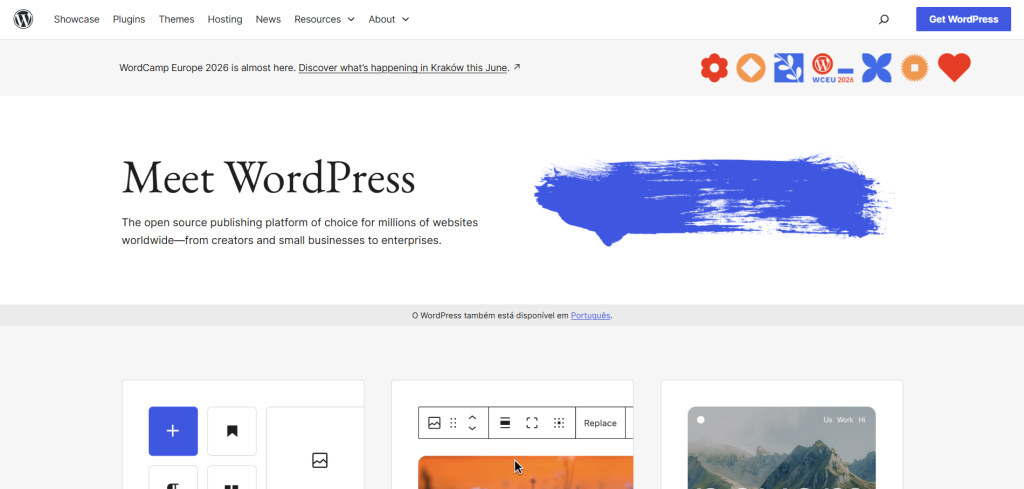
1. WordPress – best for SEO, traffic, and full control
If you’ve ever looked into blogging seriously, you’ve definitely heard of WordPress.
WordPress is basically the “big boss” of blogging platforms. And there’s a reason for that.
It gives you full control over everything — your design, your SEO, your content, your monetization. Nothing is locked behind a random algorithm.
It’s the kind of platform where you’re not just writing posts… you’re actually building a website that can grow into something big.
Why writers choose it:
- full control over your blog and content
- best platform for Google SEO traffic
- works for blogs, businesses, and affiliate sites
- thousands of plugins for extra features
The real downside:
It’s not as “instant” as Medium. You need hosting, setup, and a bit of learning. But once it’s running, it’s powerful.
2. Substack – best for newsletters and loyal readers
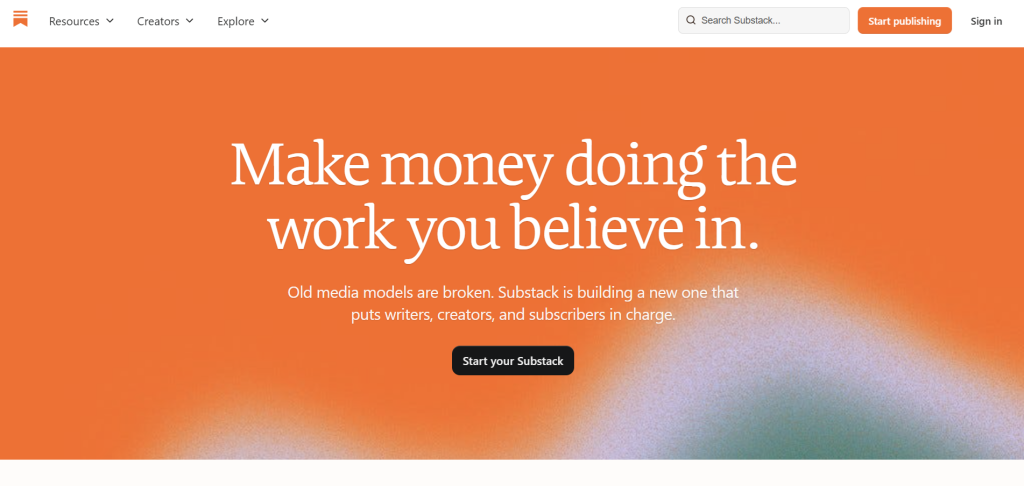
Substack is for writers who care more about building an audience than building a website.
Instead of chasing SEO traffic, you grow an email list. Every time you publish, it goes straight to your readers’ inbox.
It feels more personal. More direct. Less algorithm drama.
Why writers like it:
- easy to start (no setup stress)
- builds email subscribers automatically
- great for storytelling and opinion writing
- simple monetization with paid subscriptions
The downside:
You’re mostly building inside their system, not your own full website ecosystem.
3. Ghost – best for serious writers who want ownership
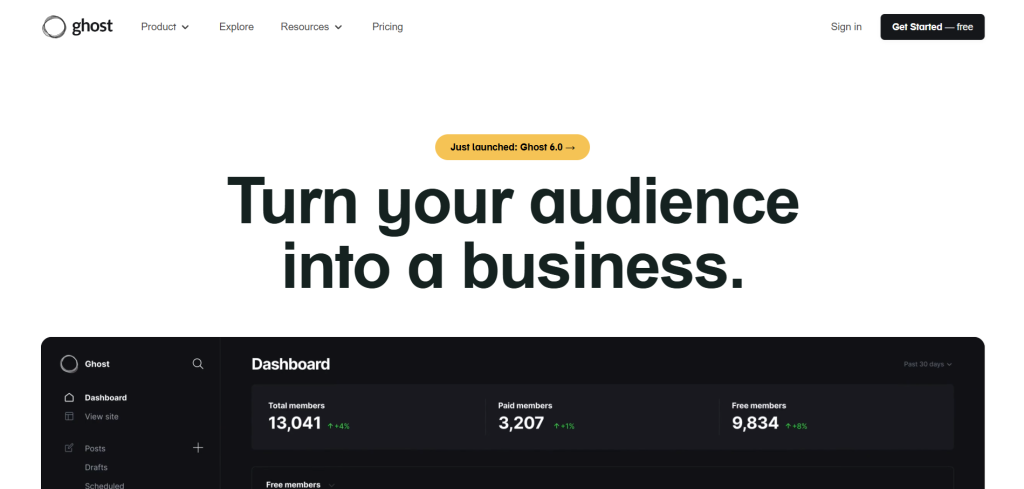
Ghost is like Medium, but upgraded for people who want more control and more professionalism.
It gives you a clean writing experience, but also lets you run a full website, email list, and even paid memberships.
So instead of choosing between “simple writing” and “real blogging,” Ghost tries to give you both.
Why writers choose it:
- clean, distraction-free writing
- full ownership of content and audience
- built-in membership + email system
- strong SEO structure
The downside:
It’s not the simplest beginner tool, and hosting can cost more than basic platforms.
4. Beehiiv – best for growing newsletters fast
Beehiiv is one of the newer platforms that has become popular very quickly.
It’s built for people who want to grow newsletters, not just write posts.
Think of it like Substack, but more focused on growth tools and analytics.
Why it stands out:
- built-in growth tools
- referral system to get more subscribers
- clean writing + publishing system
- monetization options for newsletters
The downside:
Still heavily focused on newsletters, not traditional blogging or SEO websites.

5. Wix – best easy website builder for writers
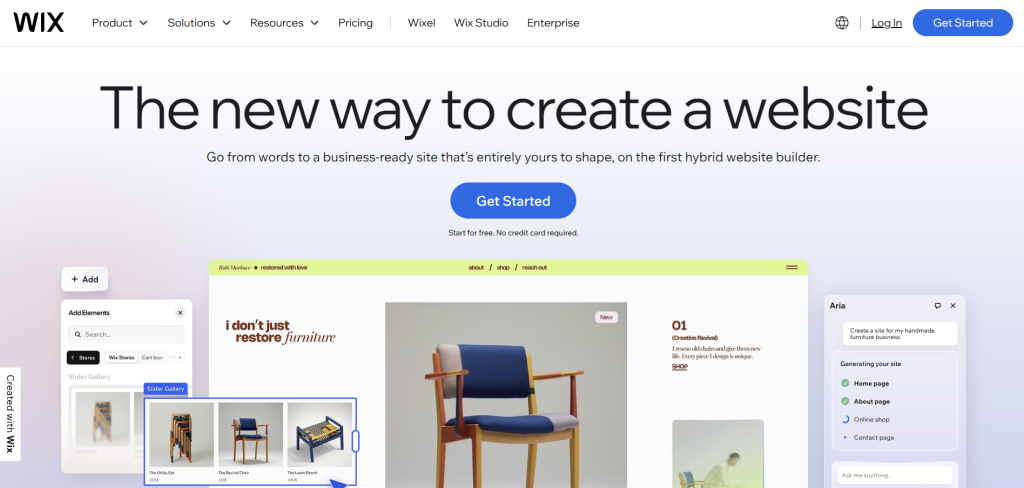
Wix is a good option if you want something simple but still want your own website.
It’s not just for blogs — it’s a full website builder, but it works well for writers too.
You can drag and drop everything, choose templates, and start publishing without touching code.
Why people use it:
- super beginner-friendly
- no technical setup needed
- good-looking blog templates
- built-in SEO tools
The downside:
Not as powerful as WordPress when it comes to long-term SEO growth.
FAQ
What are the best Medium alternatives in 2026?
The most popular Medium alternatives are WordPress, Substack, Ghost, Beehiiv, and Wix. These platforms give writers more control, better growth options, and stronger monetization compared to Medium.
Is Medium still good for writers in 2026?
Yes, Medium is still good if you want a simple place to write and reach readers quickly. But it has limits when it comes to SEO control, branding, and owning your audience.
What is the best Medium alternative for SEO traffic?
WordPress is the best option if your goal is Google SEO traffic and long-term blog growth. It gives you full control over your site and content structure.
What is the best Medium alternative for beginners?
Substack is usually the easiest for beginners because you can start writing immediately and build an email audience without setting up a website.
What is the best platform like Medium but with more control?
Ghost is the closest alternative to Medium if you want a clean writing experience but with full ownership, customization, and more professional publishing tools.
Can you make money on Medium alternatives?
Yes. Platforms like Substack, Ghost, and Beehiiv allow monetization through subscriptions or newsletters, while WordPress allows ads, affiliate marketing, and other income methods.
So what’s the real difference between Medium and these platforms?
Medium is great if you just want to write and publish without thinking too much about setup or strategy. It’s fast, simple, and easy to get started with.
But if you want more control, more growth potential, or more ways to build something long-term, these alternatives give you a lot more freedom.
Some are better for SEO traffic, some are better for newsletters, and some are better if you just want a clean writing space that still feels like yours.
Final thoughts
At the end of the day, the “best” platform really depends on what you want from your writing.
If you just want to write, Medium still works fine.
But if you want to build something around your writing — traffic, audience, income, or even a brand — then choosing the right platform matters a lot more than people think.
Because where you write isn’t just a tool… it’s basically the foundation of everything you build later.

