

When I first started building websites, I did what most beginners do, I just picked GoDaddy because it was the name I kept seeing everywhere, it felt safe, familiar, and honestly I didn’t think much about alternatives at the time.
But after using it for a while, I started noticing things like higher renewal prices, upsells everywhere, and that feeling that I was paying more than I should for basic website hosting, and that’s when I started looking into GoDaddy alternatives that were cheaper, easier to use, and better overall for WordPress and small websites in 2026.
So if you’re also wondering things like “is GoDaddy still worth it?” or “what is the best alternative to GoDaddy for hosting a website?”, this guide is based on real comparisons and what actually works today.
GoDaddy Alternatives Comparison
| Hosting Provider | Best For | Pricing (Starting) | Key Strength | Downside |
|---|---|---|---|---|
| Hostinger | Beginners & small websites | Very low (from a few €/month) | Cheap, fast, easy to use | Renewal price increases |
| SiteGround | Performance & business sites | Mid to high (~€3–€10+ intro, higher renewals) | Speed + support | Expensive long-term |
| Bluehost | WordPress beginners | Low intro (~€2–€4/month) | Easy setup + WordPress friendly | Upsells + higher renewals |
| Namecheap | Budget small sites | Very low (~€1–€3/month) | Cheapest option + simple | Not the fastest |
| Cloudways | Scaling & advanced users | From ~€10+/month | Powerful cloud performance | More complex setup |
| Provider | Best For + Price |
|---|---|
| Hostinger | Beginners – very cheap |
| SiteGround | Performance – mid/high price |
| Bluehost | WordPress beginners – low intro price |
| Namecheap | Budget sites – cheapest option |
| Cloudways | Advanced users – from €10+/month |
1. Hostinger – best overall GoDaddy alternative for most people
Hostinger is usually the first alternative people switch to, and for good reason, because it’s simple, affordable, and performs really well for WordPress websites without making things complicated.
What stood out for me is how much easier everything feels compared to GoDaddy, especially the dashboard and setup process.
What I noticed:
- cheaper hosting plans compared to GoDaddy
- very beginner-friendly control panel
- fast enough for most small to medium websites
- free SSL and WordPress installation included
Pricing usually starts very low (around a few euros per month depending on promotions), which is why it’s one of the most popular cheap GoDaddy alternatives in 2026.
Best for: beginners, bloggers, small business websites

2. SiteGround – best for performance and support
SiteGround is one of those hosting providers that feels more premium compared to GoDaddy, especially when it comes to speed and customer support.
It’s not the cheapest option, but the performance difference is noticeable if your site gets more traffic or you care about loading speed.
What I liked:
- very fast website performance
- strong uptime and reliability
- excellent customer support
- great for WordPress optimization
Pricing is higher than budget hosts, but you’re paying more for quality and stability.
Best for: business websites, growing blogs, performance-focused users

3. Bluehost – beginner-friendly WordPress hosting
Bluehost is another big GoDaddy alternative, especially if you’re starting with WordPress for the first time.
It feels very guided, like everything is set up for you step by step, which makes it easier if you’re not technical.
What stands out:
- one-click WordPress installation
- free domain on many plans
- beginner-friendly dashboard
- lots of tutorials and guidance
Pricing starts low for new users, but renewals can be higher later.
Best for: beginners starting their first website or blog

4. Namecheap – cheapest GoDaddy alternative for small sites
Namecheap is mostly known for domains, but their hosting is also a strong budget option if you just want something simple and affordable.
It’s not the fastest hosting, but for small websites, blogs, or landing pages, it works well for the price.
What I noticed:
- very low-cost hosting plans
- free domain privacy included
- simple setup and interface
- good for small websites or side projects
Best for: budget users, small sites, beginners testing ideas

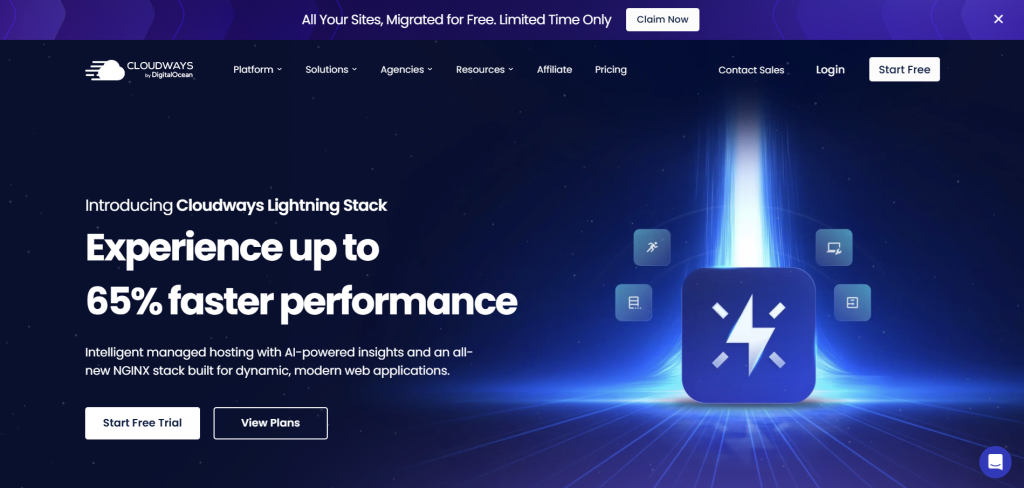
5. Cloudways – best for control and scaling
Cloudways is very different from the others because it’s more of a managed cloud hosting platform, which means more control, better scaling, and stronger performance options.
It’s not the simplest option, but it’s powerful once you understand it.
What stands out:
- scalable cloud hosting infrastructure
- strong performance for growing websites
- more control over server setup
- great for long-term growth
Pricing starts higher than basic shared hosting, but you get much more flexibility.
Best for: growing websites, developers, businesses scaling traffic
FAQ
Why do people look for GoDaddy alternatives?
Mostly because of higher renewal prices, upselling, and finding better value hosting options with simpler pricing.
What is the cheapest GoDaddy alternative in 2026?
Usually Hostinger and Namecheap are among the cheapest options.
What is the best GoDaddy alternative for WordPress?
Hostinger and Bluehost are the most beginner-friendly WordPress hosting choices.
Is GoDaddy still good in 2026?
It still works, but many users prefer alternatives because of pricing, performance, and simpler hosting plans.
Is Hostinger better than GoDaddy?
In most cases yes, Hostinger is cheaper, easier to use, and often faster for WordPress websites compared to GoDaddy, which is why many beginners switch.
What is the best cheap web hosting in 2026?
For most beginners, Hostinger and Namecheap are considered the best cheap hosting options because they offer low starting prices with solid features.
Which hosting is best for WordPress beginners?
Hostinger and Bluehost are two of the most popular choices because they offer one-click WordPress setup, simple dashboards, and beginner-friendly tools.
No related posts.

