


Mistake 1: Trying to Do Everything at Once
One of the biggest mistakes beginners make is thinking they need to do everything at once. You might feel like you have to start a blog, launch a product, post on social media, run ads, create a course, and maybe even try affiliate marketing—all on day one.
It sounds ambitious, but here’s the truth: trying to do too much at the same time slows your progress and burns you out. You end up doing a little of everything but nothing really well, and that’s how most beginners give up before seeing any real results.
Why This Happens
Excitement overload: When you learn about all the ways to make money online, it’s easy to want to do them all immediately.
Fear of missing out: You think, “If I don’t try everything, I’ll miss my chance.”
Misunderstanding focus: Beginners often think multitasking equals efficiency—but it doesn’t.
Common Misconceptions
“I have to try every method to succeed.”
“If I don’t do it all, I’ll fall behind.”
The reality is the opposite: doing one thing well is far more effective than doing five things poorly.
Quick Wins
Pick one income stream: Choose whether you’ll start with a blog, freelancing, selling a product, or affiliate marketing. Focus 100% on that first.
Set small, daily goals: Break your work into 1–3 tasks per day that directly grow your chosen project.
Ignore the rest for now: Make a list of future ideas and set them aside until your first project is stable.
Avoiding Hidden Pitfalls
Switching too early: Give your first project at least 4–8 weeks of consistent effort before deciding it isn’t working.
Trying to learn everything at once: Only focus on skills that directly help your current project.
Overcomplicating tasks: Launch before everything is perfect—perfection delays results.
Actionable Step Right Now:
Write down all the ways you want to make money online. Then circle one to start with. That’s your 100% focus for the next 30 days.
Mistake 2: Ignoring Market Research

A huge mistake beginners make is skipping market research. You might think, “If I like this idea, other people will too,” or “I’ll figure it out as I go.” The problem is, guessing rarely works in business. Without research, you risk wasting time, money, and energy on ideas that won’t sell.
Market research doesn’t have to be complicated or expensive. It’s just about understanding your audience, their needs, and whether your idea solves a real problem.
Why This Happens
Overconfidence: You assume your opinion matches the market.
Impatience: Research feels like a delay before you “start making money.”
Misunderstanding demand: Beginners often think volume equals interest, but a lot of people liking an idea doesn’t mean they’ll pay for it.
Common Misconceptions
“If I like it, others will too.”
“I’ll know if it works only after I launch.”
“Market research is only for big businesses.”
Skipping research usually leads to frustration, low sales, and wasted effort.
Quick Wins
Validate demand with free tools: Use Google Trends, Reddit, Quora, or forums to see what people are asking about.
Check competitors: Look at similar businesses or products. Are they selling? Are people engaging?
Start small: Offer a minimum version of your idea (like a simple service or digital product) to test interest before investing too much.
Avoiding Hidden Pitfalls
Mistaking volume for profitability: A lot of people might like your idea, but that doesn’t mean they’ll pay for it.
Ignoring your target audience: Define who your ideal customer is before creating content or products.
Overcomplicating research: You don’t need a full report—just enough data to know if there’s real demand.
Actionable Step Right Now:
Pick your idea and spend 1–2 hours researching it. Check forums, search trends, and competitors. Ask yourself: Would people actually pay for this?
Mistake 3: Not Building an Email List or Audience Early
A mistake almost every beginner makes is thinking, “I can wait to build an audience or email list later.” The truth is, owning an audience from day one is one of the fastest ways to grow your online business. Social media followers are great, but platforms can change algorithms, suspend accounts, or disappear entirely. If you don’t have a way to reach your audience directly, your growth depends on someone else’s platform.
An email list or audience is your direct line to people who already trust you. Even a small list can be more valuable than thousands of followers.
Why This Happens
Thinking social media is enough: Beginners rely entirely on Instagram, TikTok, or YouTube.
Overthinking tools: Some think email lists are complicated or require expensive software.
Procrastination: “I’ll start collecting emails once I have a product.”
Common Misconceptions
“I’ll just rely on social media followers.”
“Nobody will sign up if I don’t have a product yet.”
“Email lists are too complicated for beginners.”
Waiting too long to start building an audience often leads to slow growth and missed opportunities.
Quick Wins
Start with a free tool: Platforms like Mailchimp or ConvertKit allow beginners to start an email list for free.
Offer value before selling: Share tips, free guides, or simple insights to attract subscribers.
Capture emails early: Even if you don’t have a product, start collecting emails from your blog, social media, or landing page.
Avoiding Hidden Pitfalls
Ignoring engagement: Don’t just collect emails—send regular, valuable content to build trust.
Overcomplicating setup: Start simple—one signup form and a welcome email are enough at first.
Waiting for perfection: Your list doesn’t need to be huge or fancy to be effective.
Actionable Step Right Now:
Create a simple signup form today using a free tool. Offer a small piece of value—like a tip sheet or checklist—and start collecting emails from the people who already follow you.
Mistake 4: Chasing Trends Instead of a Sustainable Niche

Another big trap beginners fall into is jumping on the latest trend. Maybe you hear about a viral product, a hot social media challenge, or a trending online business model, and you think, “I need to do that now.” The problem is trends are short-lived, and chasing them often leaves you constantly switching gears without building anything meaningful.
A sustainable niche, on the other hand, has consistent demand over time. It may not be flashy, but it gives you a stable foundation for growth, income, and expertise.
Why This Happens
FOMO (Fear of Missing Out): Beginners feel pressure to get in on the “next big thing.”
Misunderstanding long-term growth: People confuse fast trends with long-term opportunity.
Desire for quick results: Trends seem like a shortcut to easy money.
Common Misconceptions
“If it’s trending, I’ll make money fast.”
“I have to follow what everyone else is doing.”
“Trendy niches are always profitable.”
Trends can work occasionally, but if you rely on them, you’re building on shaky ground. A well-chosen niche is evergreen, meaning it will still be relevant years from now.
Quick Wins
Focus on evergreen demand: Pick a niche that solves a real, ongoing problem people pay to solve.
Validate before committing: Check search trends, forums, and competitor performance to see if there’s consistent interest.
Start small, then expand: You can test one niche thoroughly before adding related products or services.
Avoiding Hidden Pitfalls
Copying saturated niches: Avoid niches where competition is overwhelming unless you have a unique angle.
Switching too frequently: Constantly jumping from trend to trend prevents expertise and audience growth.
Ignoring your skills and interests: A niche must match what you can deliver consistently.
Actionable Step Right Now:
Make a list of potential niches that match your skills and interests. Then research each one to see which has consistent, long-term demand. Pick one to focus on for your first project.
Mistake 5: Underestimating Time, Effort, and Patience
One of the most common mistakes beginners make is thinking that making money online will happen fast and easy. You might see other people’s success stories and assume it’s instant, or you might expect to launch a blog, course, or product and make sales immediately.
The reality is, building a sustainable online income takes time, consistent effort, and patience. If you underestimate this, it’s easy to get frustrated, lose motivation, or give up before you see results.
Why This Happens
Overexposure to “instant success” stories: Social media and ads make it seem like everyone else got lucky overnight.
Unrealistic expectations: Beginners often think 1–2 hours a day will replace a full-time job in weeks.
Impatience: Learning and testing takes time, and it’s easy to quit too soon.
Common Misconceptions
“I should see results immediately.”
“If it’s not working in a week, it’s a failure.”
“Online income is passive from the start.”
The truth is, online income usually starts slow, and growth compounds over time. The people who succeed consistently are the ones who plan for the long game.
Quick Wins
Set realistic milestones: Break your project into 30-day, 60-day, and 90-day goals. Focus on completing tasks, not instant income.
Track your daily actions: Even small, consistent actions compound into big results over time.
Celebrate small wins: Progress isn’t just about money—it’s about growth, learning, and experience.
Avoiding Hidden Pitfalls
Comparing yourself to others: Everyone’s timeline is different. Focus on your own progress.
Burnout from overworking: Consistency beats intensity. Short, focused sessions daily are better than sporadic long days.
Ignoring setbacks: Mistakes and slow periods are part of learning. Don’t let them discourage you.
Actionable Step Right Now:
Write down a 30-day plan for your current online project. Include daily or weekly tasks you can realistically do, and stick to it. Focus on action and consistency, not instant results.
Mistake 6: Poor Pricing or Undervaluing Your Work
A huge mistake beginners make is setting prices too low or undervaluing their skills. You might think, “If I charge less, I’ll get more clients,” or “Nobody will pay for this yet, so I’ll give it away for free.” The problem is, low prices rarely lead to sustainable income, and undervaluing yourself can burn you out quickly.
Pricing isn’t just about numbers—it’s also about perceived value, confidence, and positioning. If you charge too little, people may assume your product or service isn’t worth it.
Why This Happens
Fear of rejection: Beginners worry no one will pay their price.
Lack of confidence: You don’t realize your skills or knowledge have real value.
Misunderstanding pricing: Many beginners think low prices automatically attract more customers.
Common Misconceptions
“Lower price equals more clients.”
“I’m just starting, so I should charge almost nothing.”
“I’ll raise prices later once I get experience.”
The truth is, starting with fair pricing builds trust, attracts the right clients, and creates a sustainable income from the beginning.
Quick Wins
Research competitors: See what others in your niche charge for similar products or services.
Use value-based pricing: Charge based on the results or transformation you deliver, not just your time.
Start with a realistic price: It’s better to start moderately than too low; you can always adjust later.
Avoiding Hidden Pitfalls
Changing prices too often: Frequent price changes confuse your audience and hurt trust.
Underpricing to compete: Don’t try to beat competitors solely on price—it often leads to burnout.
Ignoring perceived value: Make sure your offer communicates its value clearly through benefits, not just features.
Actionable Step Right Now:
List your service or product and research 3–5 competitors. Decide on a starting price that reflects the value you provide. Write down a brief explanation of why your price is fair—this helps build confidence when you offer it to clients or customers.
Mistake 7: Ignoring Basic Marketing Principles
A lot of beginners think, “If I make a great product or offer a great service, people will just come.” That’s a trap. Even the best ideas won’t sell themselves if no one knows they exist or understands their value. Ignoring marketing is one of the fastest ways to waste time and effort.
Marketing isn’t about hype or complicated ads. At its core, it’s simply making sure the right people see your offer, understand it, and know how it helps them.
Why This Happens
Thinking marketing is optional: Beginners often focus entirely on creating, not promoting.
Overwhelmed by options: Social media, email, SEO, ads—so many channels make people freeze.
Misunderstanding value communication: People don’t realize they need to explain why their product or service matters.
Common Misconceptions
“Marketing is only for big businesses.”
“If it’s good, people will find it naturally.”
“Marketing is just posting on social media.”
Ignoring marketing leads to low visibility, few sales, and frustration, even if your product is excellent.
Quick Wins
Start with one channel: Pick one place to reach your audience, like Instagram, a blog, or email. Focus on doing it well instead of spreading thin.
Communicate benefits clearly: Explain exactly how your product or service solves a problem. Don’t just list features.
Use simple marketing tactics: Share helpful content, answer questions, and gently promote your offer.
Avoiding Hidden Pitfalls
Focusing on the wrong channels: Don’t waste effort where your audience isn’t.
Overcomplicating marketing: You don’t need fancy campaigns to start. Consistency matters more than perfection.
Neglecting follow-up: People often need reminders—like emails or posts—to take action.
Actionable Step Right Now:
Choose one marketing channel where your audience hangs out. Create one piece of content that explains your product’s value and share it today. Keep it simple and focused on helping, not just selling.
Mistake 8: Not Tracking Results or Metrics
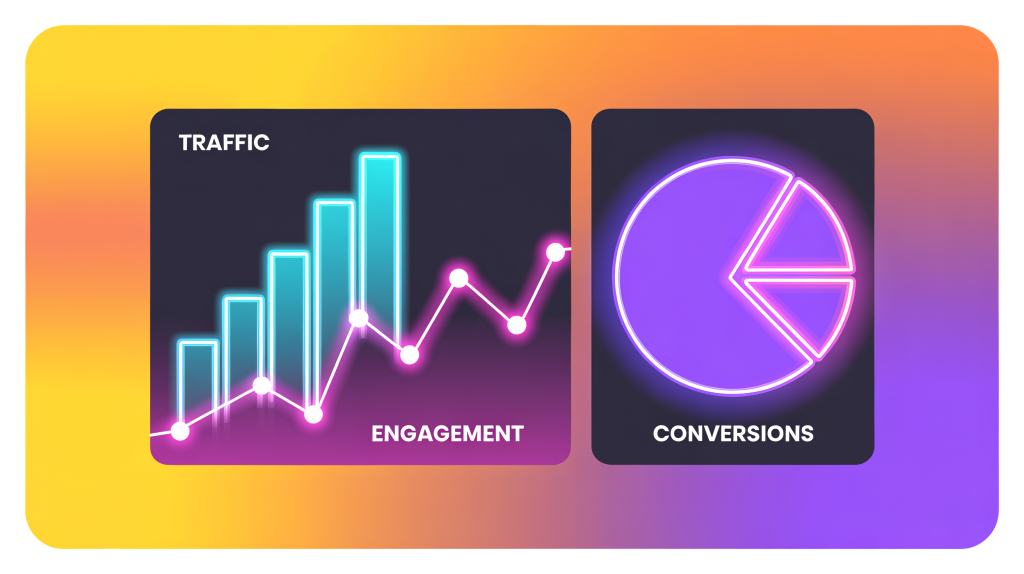
One of the biggest mistakes beginners make is working hard without knowing what’s actually working. You might spend hours writing content, running ads, or posting on social media—but if you’re not tracking results, you have no idea what’s driving growth and what’s wasting time.
Tracking results doesn’t have to be complicated. Even simple metrics can dramatically improve your decisions and speed up progress.
Why This Happens
Thinking intuition is enough: Beginners often assume they’ll “just know” what works.
Overwhelm: There are so many metrics online that people freeze and track nothing.
Neglecting review habits: Without regular tracking, you can’t optimize or improve.
Common Misconceptions
“I’ll just know what’s working without tracking.”
“Metrics are only for big businesses.”
“I need fancy dashboards or complicated tools.”
The truth is, you can get started with very simple tracking and still make smarter decisions that save time and increase revenue.
Quick Wins
Start with key metrics: Focus on a few simple indicators like website traffic, email engagement, and sales conversions.
Track consistently: Record results weekly or monthly to see trends and patterns.
Adjust based on data: Use what you learn to tweak content, pricing, or marketing strategies.
Beginner-Friendly Metrics to Track
| Metric | What It Tells You |
|---|---|
| Website Traffic | How many people are visiting your content or offers |
| Email Open Rate | Whether your audience is engaged with your messages |
| Conversion Rate | How effective your offer is at turning visitors into customers |
| Revenue per Channel | Which platforms or campaigns are profitable |
Avoiding Hidden Pitfalls
Obsessing over irrelevant metrics: Track only what helps you make decisions.
Tracking inconsistently: Sporadic tracking gives unreliable insights.
Ignoring patterns: Don’t just collect data—look for trends and act on them.
Actionable Step Right Now:
Pick two metrics to track this week. Write down your current numbers and set a simple goal for the next 7 days. Review the results and adjust your actions accordingly.
Mistake 9: Giving Up Too Soon
One of the biggest reasons beginners fail is simply quitting too early. You might put in a few weeks or months, hit a plateau, and think, “This isn’t working for me.” The problem is, online income takes time to grow, and most beginners give up before their efforts have a chance to pay off.
Building a business online is rarely instant. Even small progress compounds over time, and consistency is what separates those who succeed from those who don’t.
Why This Happens
Unrealistic expectations: Beginners often think results should come immediately.
Frustration with slow progress: When effort doesn’t match instant results, motivation drops.
Comparing yourself to others: Seeing “overnight successes” online can make you doubt your own path.
Common Misconceptions
“If I don’t see results fast, I’m failing.”
“Successful people got lucky.”
“I must be doing something wrong if it’s hard.”
The truth is, most successful online entrepreneurs went through months of trial, error, and slow growth before seeing meaningful results.
Quick Wins
Set micro-goals: Break your progress into weekly or even daily milestones to keep motivated.
Track progress visually: Use a checklist, calendar, or progress tracker—seeing growth keeps you going.
Focus on learning, not just results: Each step builds your skills, which compounds into long-term success.
Avoiding Hidden Pitfalls
Giving up at the first plateau: Slow periods are normal—persistence matters more than speed.
Comparing progress to others: Everyone’s journey is different. Focus on your own actions.
Ignoring small wins: Small steps matter and add up—celebrate them.
Actionable Step Right Now:
Write down one small goal you can complete today that moves your online business forward. Even a tiny win is progress. Stick to it and build momentum before judging your results.
Mistake 10: Skipping Automation and Systems
A mistake many beginners make is thinking they can do everything manually forever. At first, it seems fine—you post on social media by hand, send emails individually, track everything yourself. But as your business grows, manual processes waste time, drain energy, and limit growth.
Automation and systems aren’t about being lazy—they’re about working smarter, not harder. They allow you to scale, focus on high-impact tasks, and actually grow your income without burning out.
Why This Happens
Thinking automation is only for big businesses: Beginners assume tools are expensive or complicated.
Fear of complexity: Setting up systems feels intimidating at first.
Overconfidence in manual work: “I can handle it myself”—until you can’t.
Common Misconceptions
“Automation is too advanced for beginners.”
“I need to do everything manually to control quality.”
“Systems are only necessary once I make a lot of money.”
Skipping systems often leads to missed opportunities, mistakes, and slow growth.
Quick Wins
Start small: Automate one repetitive task first, like social media posting or email follow-ups.
Use beginner-friendly tools: Free or affordable tools can handle most early-stage tasks.
Document processes: Write down how you do key tasks—this makes future automation or delegation easier.
Tasks You Can Automate Early
| Task | Suggested Tool |
|---|---|
| Social Media Posting | Buffer, Hootsuite |
| Email Follow-ups | Mailchimp, ConvertKit |
| Invoicing / Payments | PayPal, Stripe |
| Project Management | Trello, Notion |
Avoiding Hidden Pitfalls
Over-automation too early: Don’t automate tasks you don’t fully understand yet.
Neglecting quality: Automation should save time, not reduce value to your audience.
Not reviewing systems: Check regularly that automation is working and adjust when needed.
Actionable Step Right Now:
Pick one repetitive task in your workflow and automate it this week using a simple tool. Even small automation frees up time for higher-impact work.
Conclusion
Congratulations! You’ve just gone through the 10 most common mistakes beginners make when trying to make money online—and how to avoid them.
These mistakes aren’t just obstacles—they’re opportunities to grow smarter, faster, and more efficiently. Avoiding them will save you months of frustration, prevent burnout, and set you on the path to real, sustainable results.
Remember, making money online is completely possible if you avoid these common mistakes and follow a clear, focused plan. Every small step you take compounds over time, and the habits you build now will set the foundation for long-term growth.
You don’t need to do everything perfectly—just start, take action, and improve along the way. The key is consistency, focus, and learning from each step.
Now it’s your turn: pick one action from this guide and do it today. Momentum builds quickly when you start taking deliberate steps.

