

Mindset: The Foundation of Your Online Business
Before you do anything else, we need to talk about mindset. I can give you all the steps, tools, and strategies in the world, but if your mindset isn’t right, it won’t matter. Money, experience, or “connections” aren’t what make online businesses work—your mindset does.
Here’s what I want you to focus on first:
Money Isn’t the Main Barrier
A lot of people think, “I can’t start because I’m broke.” That’s not true. Some of the most successful online businesses started with zero dollars. What matters is action, consistency, and smart decisions, not the size of your bank account.
Starting with nothing actually has advantages:
You’re forced to prioritize only what matters
You learn to validate ideas before spending
You develop skills and resourcefulness, which pay off more than money ever will
So, forget the “I need money to start” mindset. Focus on what you can do with what you already have.
Patience, Consistency, and Focus Are Key
Even if you follow every step perfectly, results won’t come overnight. That’s normal. Online businesses take time to grow, and your job is to stay patient, consistent, and focused.
Here’s what that looks like in practice:
Patience: Accept that early days might feel slow. The goal is long-term progress, not instant results.
Consistency: Work in small, regular chunks. Daily or weekly actions compound into results.
Focus: Avoid chasing every “new idea” or trend. Stick to one business model and one idea until it starts working.
Think of your business like planting a tree. You water it consistently, give it sunlight, and it grows. You don’t dig it up every week to see if it worked.
Dealing with Fear, Doubt, and Overwhelm
Fear is normal. Doubt is normal. Starting a business is scary because you’re creating something new and putting yourself out there.
Here’s how to handle it:
Break big tasks into tiny, manageable steps
Take action even when you’re unsure—it’s better to adjust as you go than wait for perfect clarity
Keep a “progress list” to see how far you’ve come—it’s motivating and keeps doubt away
Setting Realistic Expectations
This is not a “get rich overnight” plan. But it is a path to earning money, building independence, and scaling an online business over time.
Your first wins might be small: a freelance gig, a small digital product sale, or your first email subscriber. Celebrate them—they’re proof that progress is happening.
The mindset I want you to adopt is: action + learning + persistence = growth. If you carry this mindset into every decision, you’ll avoid the biggest mistakes most beginners make.
Many beginners struggle because they repeat the same early mistakes, which is why it helps to understand 10 Common Mistakes Beginners Make When Trying to Make Money Online in 2026 (And How to Avoid Them) before launching.
Types of Online Businesses
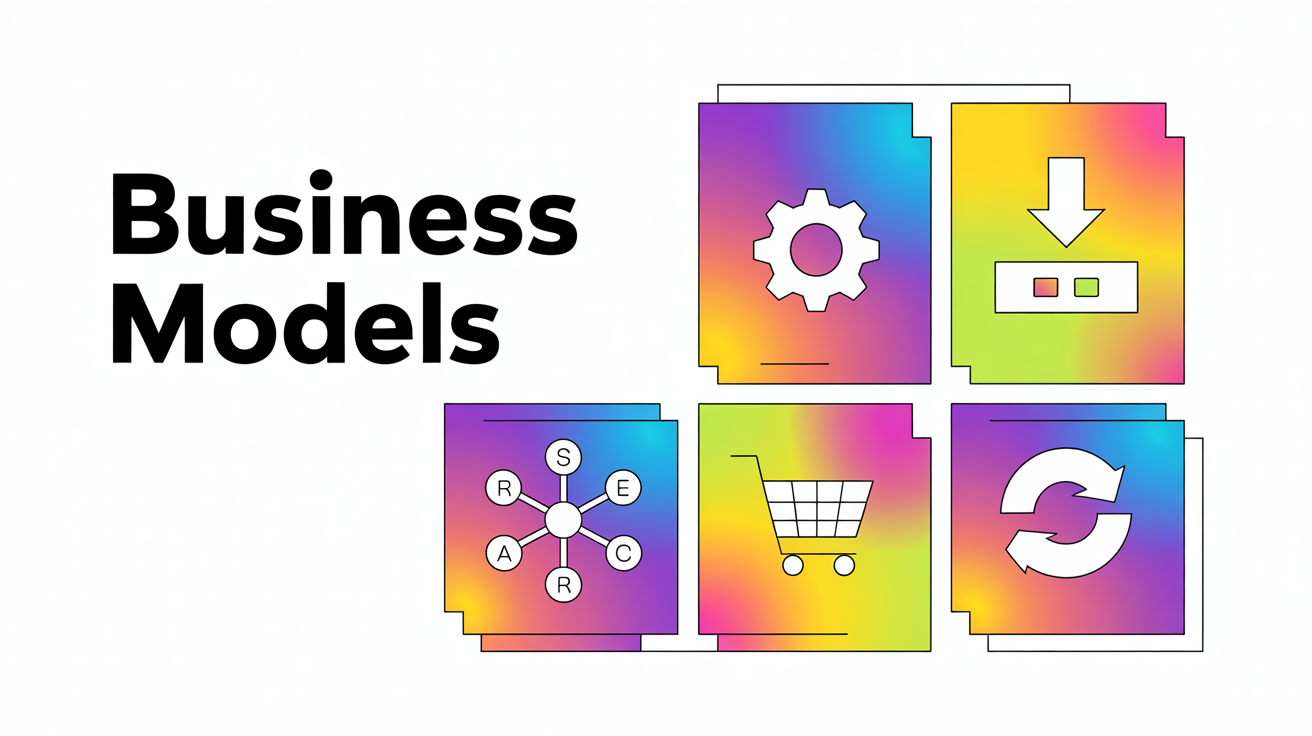
Now that your mindset is set, it’s time to look at the types of online businesses you can start. Choosing the right business type matters because it affects how quickly you can start, how much money you can make, and how much effort it takes.
I’ll break down the main options and give you a simple comparison so you can pick the one that fits your situation.
Service-Based Businesses
This includes freelancing, consulting, and coaching. You offer a skill or knowledge to someone in exchange for payment.
Key points:
Fastest way to start earning
Requires skills you already have or can learn quickly
Limited scalability unless you hire or raise prices
You could, for example, offer writing, graphic design, social media management, tutoring, or consulting. The key is that you sell your time and expertise rather than a physical or digital product.
If you want a deeper walkthrough on getting your first clients, read Freelancing for Beginners: How to Make Money With No Skills in 2026.
Digital Products
Digital products are things you create once and sell repeatedly. Examples include: ebooks, online courses, templates, stock photos, or software tools.
Key points:
Scalable: sell the same product to many people
Requires an upfront time investment to create
Can eventually become mostly passive income
The advantage here is that after creating the product, you don’t need to trade time for money continuously.
Many people actually start by turning their skills or interests into products, which is exactly what I explain in How to Turn Your Hobby Into a Profitable Online Business in 2026.
Affiliate Marketing
With affiliate marketing, you promote other people’s products and earn a commission when someone buys through your link.
Key points:
No product creation required
Scalable with traffic and audience growth
Highly competitive in some niches
This works well if you enjoy content creation, SEO, or social media marketing, because your income depends on how many people see and click your links.
If you’re new to this model, I recommend reading Affiliate Marketing for Beginners: A Step-by-Step Guide to Earning Online in 2026 to understand how to start properly.
E-Commerce
E-commerce involves selling physical products online. This can include dropshipping, print-on-demand, or selling items you create yourself.
Key points:
Potential for higher revenue per sale
Some upfront costs (inventory, shipping, or production)
Logistics and customer service can take time
Dropshipping and print-on-demand are popular for starting with low upfront costs because you don’t need to hold inventory.
For a full beginner walkthrough of this model, check Dropshipping for Beginners: A Simple Step-by-Step Guide 2026.
Memberships / Subscription Models
This model is based on recurring revenue, where people pay regularly for access to content, a community, or services.
Key points:
Builds consistent income
Requires delivering ongoing value
Can scale with multiple members without a proportional increase in effort
This can include paid newsletters, online communities, or subscription courses.
Comparison Table – Online Business Types
| Business Type | Key Points / Pros & Cons |
|---|---|
| Service-Based | Quick start, low cost, depends on your skills, limited scalability without hiring |
| Digital Products | Scalable, passive income potential, requires initial creation effort |
| Affiliate Marketing | No product creation, scalable with traffic, competitive niches |
| E-Commerce | Physical products, may require inventory/shipping, higher revenue potential |
| Memberships | Recurring revenue, need consistent content, builds community |
By understanding these business types, you can choose the one that fits your skills, resources, and goals. The next step is figuring out how to choose your specific business idea within these types, which we’ll cover in the next chapter.
Choosing Your Business Idea
Now that you know the main types of online businesses, the next step is to pick a specific idea. Choosing the right idea is crucial because it determines how fast you can start, how motivated you’ll stay, and how likely you are to make money.
I’ll break this down step by step, so even if you have no experience or budget, you’ll be able to pick a strong idea.
Evaluate Your Skills and Interests
Start by looking at what you already know and what you enjoy doing. You don’t need to be an expert in everything, but you want a business idea that matches:
Your skills – things you’re already good at or can learn quickly
Your interests – topics or areas you enjoy, so you’ll stay motivated
Your resources – time, free tools, or networks you can use
Ask yourself questions like:
What problems can I solve for others?
What do people ask me for help with?
What skills do I have that others might pay for?
Write down all possible ideas, even if they seem small or simple. You’ll narrow them later.
Identify Potential Niches
A niche is a specific group of people with a problem or desire. The more specific your niche, the easier it is to market to them.
Here’s how to find one:
Look for groups online (Facebook groups, Reddit, forums) and see what people ask about
Identify common problems that people are willing to pay to solve
Check if there are existing products or services in that niche – competition is normal, but demand is key
Example: instead of “fitness,” focus on “busy professionals who want 10-minute workouts at home.” The narrower your niche, the easier it is to attract your audience.
Validate Your Idea for Free
Before you invest time or money, check if your idea can actually make money. You can validate it without spending anything:
Ask your target audience directly in forums, social media, or groups
Create a simple poll or survey to see if people would pay for your solution
Offer a free resource or beta version and measure interest
Pre-sell your product/service before fully creating it
Validation saves time, prevents wasted effort, and builds confidence that your idea can work.
Narrow Down to One Actionable Idea
After evaluating skills, niches, and validation, pick one idea to start with. Don’t overthink it—focus beats perfection.
Tips:
Pick an idea that aligns with your skills and interests
Ensure there’s a clear problem you’re solving
Make sure it’s feasible to start with little or no money
Once you pick your idea, everything else in your online business—product creation, marketing, tools—becomes much easier to plan and execute.
Many beginners also start with simple side hustles before building a full business, which is why exploring The Easiest Side Hustles You Can Start Today 2026 can give you some quick inspiration.
Starting With No Money
One of the biggest fears for new entrepreneurs is thinking you need money to start an online business. I want to be clear: you don’t. You can launch, validate, and even make your first sale without spending a single dollar.
Here’s exactly how to do it.
Use Free Platforms to Launch
You don’t need a fancy website or paid tools at first. You can use free platforms to get started quickly:
Website / Landing Page:
Wix Free Plan – build a simple website or landing page
Carrd – one-page websites, fast and easy
WordPress.com Free Plan – flexible, beginner-friendly
Design / Graphics:
Canva Free – create logos, social posts, and product visuals
Figma Free – more advanced design tools if needed
Email / Audience Building:
Mailchimp Free – collect emails and send newsletters
ConvertKit Free – beginner-friendly email automation
You can start building your presence and offering your product or service without paying for hosting, software, or design tools.
Bootstrap Smartly
Bootstrapping means starting lean and prioritizing actions that bring real results. Focus on:
High-impact tasks – actions that directly get you closer to your first sale
Free marketing channels – social media, forums, groups, email lists
Learning as you go – don’t spend money on courses yet; use free tutorials and guides
Remember: the goal is proof of concept first, not perfection.
Validate Without Spending
Before creating a full product or service, confirm that people will pay for it. You can do this without money:
Share your idea in communities and ask for feedback
Create a simple free version or sample to gauge interest
Pre-sell your product or service to early buyers
Validation ensures you’re not wasting time or effort on an idea that won’t work.
Prioritize Actions Over Perfection
A common trap is trying to make everything perfect before starting. Don’t. Focus on taking action:
Launch a basic website or landing page
Offer a simple version of your product or service
Start promoting using free channels
The goal is momentum. Once you start, you’ll learn and improve along the way.
Starting with no money is entirely possible if you use free tools, validate your idea, and prioritize action. By the end of this chapter, you should be ready to move to the step-by-step action plan—creating your first product, reaching your audience, and making your first sale.
If your immediate goal is simply generating some early income to reinvest into your business, you might want to read How to Make Your First $100 Online Fast in 2026.
Action Plan: Step-by-Step Launch
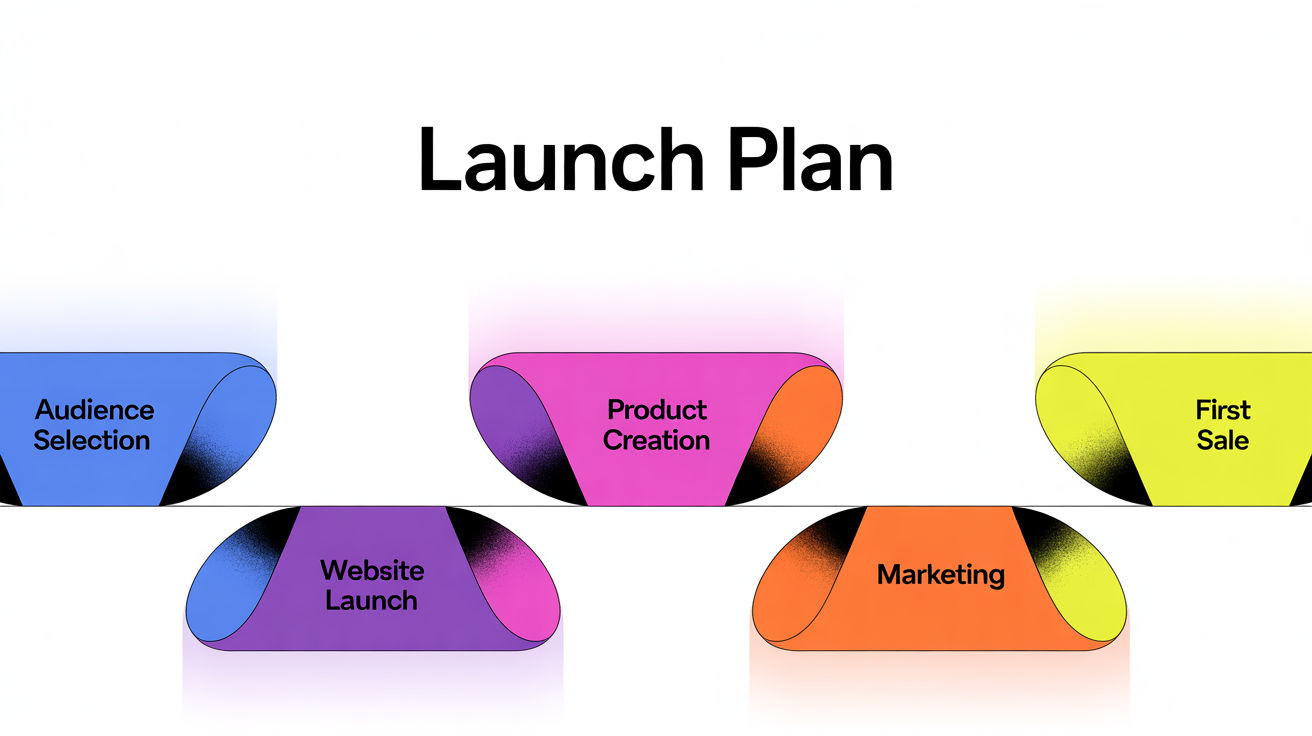
Now that your mindset is ready, you know your business type, have a validated idea, and understand how to start with no money, it’s time for action. I’m going to break down every step so you can follow it from start to your first sale.
This is your roadmap, so don’t skip anything. Each step builds on the previous one.
Step 1: Define Your Target Audience
You can’t sell to everyone. You need to know exactly who you’re helping. Ask yourself:
Who has the problem I can solve?
What are their pain points or desires?
Where do they hang out online?
Write this down in simple terms. For example: “Busy parents who want 10-minute home workouts.” Having clarity here makes marketing and product creation much easier.
Step 2: Decide on Your Business Model
Refer back to the types of businesses we covered:
Service-based
Digital products
Affiliate marketing
E-commerce
Memberships/subscriptions
Pick the one that fits your skills, resources, and niche. Don’t overthink it—focus beats perfection.
Step 3: Create Your First Product or Service
Start small. You don’t need a perfect product; you need something you can sell or test.
Service: Offer a small, simple package of your skills
Digital product: Make a minimal viable version (ebook, template, or course module)
Affiliate: Create a resource or guide recommending products
E-commerce: List a single product using dropshipping or print-on-demand
Membership: Launch a free version first to test interest
The goal is to get something in front of people as quickly as possible.
Step 4: Build a Simple Website or Landing Page
Even a one-page site is enough. Make sure it includes:
Clear description of your product or service
Benefits for the customer
Call to action: how they can buy, join, or contact you
Free tools you can use: Wix, Carrd, or WordPress. Don’t spend money here yet—you just need a functional online presence.
Step 5: Set Up Free Marketing Channels
You need people to see your business. Start with free promotion:
Social media: Instagram, TikTok, LinkedIn, or Facebook depending on your audience
Communities/forums: Reddit, Quora, Facebook groups
Email list: use free tools like Mailchimp or ConvertKit
Post helpful content related to your niche, answer questions, and naturally show your product/service as a solution.
Step 6: Make Your First Sale
Your first sale is proof that your idea works. Focus on:
Talking to real people in your target audience
Offering a small, clear solution
Asking for feedback after the sale
Remember: your first sale might be small, but it’s the most important milestone—it validates your business and motivates you to keep going.
Step 7: Collect Feedback and Iterate
After your first sale or interaction, ask:
What worked well?
What didn’t make sense or was confusing?
What could make the product/service more valuable?
Use this feedback to improve. Iteration is better than waiting for perfection. Every adjustment brings you closer to a product people love and are willing to pay for repeatedly.
Tools and Platforms
Now that you have a business idea, a product or service, and a plan to reach your first customers, it’s time to look at tools and platforms that make running your online business easier. The right tools help you save time, automate tasks, and look professional, even if you’re starting with no money.
I’ll cover both free tools for beginners and paid options you might want to upgrade to later.
Website and Landing Pages
Your online presence is essential. Here are beginner-friendly options:
Wix Free Plan – drag-and-drop website builder, simple and fast
Carrd – one-page websites for small products or services, super lightweight
WordPress.com Free Plan – more flexible, scalable if you plan to grow
Tip: At first, focus on a simple landing page with a clear description of your product, benefits, and a call to action. You can upgrade later as your business grows.
Design Tools
Design doesn’t need to be expensive or complicated. Use these:
Canva Free – create logos, social media posts, and product graphics
Figma Free – more advanced design capabilities, great for templates or digital products
These tools make it easy to produce professional-looking visuals without hiring a designer.
Email Marketing and Audience Building
Building an email list is critical for growing your business. Free tools include:
Mailchimp Free Tier – collect emails, send newsletters, beginner-friendly automation
ConvertKit Free Tier – simple, intuitive email marketing and automation
Start collecting emails from day one, even before you make your first sale. Your email list is one of your most valuable business assets.
Productivity and Organization Tools
Stay organized and track your progress with:
Trello – task management and workflow tracking
Notion – flexible workspace for planning, notes, and content calendars
Google Workspace (Free tools) – Docs, Sheets, Drive, Calendar
These tools help you plan, track, and manage your online business efficiently.
Automation Tools
Automation saves you time and energy, letting you focus on high-impact work:
Zapier – connect apps and automate repetitive tasks
Make (Integromat) – similar to Zapier, more advanced automations
Social media schedulers like Buffer or Later – schedule posts in advance
Automation lets you grow without constantly doing the same tasks manually.
Tools Table – Quick Reference
| Tool / Platform | Purpose / Why Useful |
|---|---|
| Wix / Carrd / WordPress | Build website or landing page quickly |
| Canva / Figma | Create graphics, templates, or digital products |
| Mailchimp / ConvertKit | Collect emails, send newsletters, automate communications |
| Trello / Notion | Organize tasks, plan content, track progress |
| Zapier / Make | Automate repetitive tasks and workflows |
Using the right tools makes your life easier, your business more professional, and your growth faster. Start with free tools to save money, and only upgrade when you see real results and need more features.
Staying organized is critical when running an online business, which is why tools like the ones listed in Best Apps to Organize Your Life Digitally in 2026 can help a lot.
Marketing Your Business
Once your business is set up and your first product or service is ready, the next step is marketing. Marketing doesn’t have to be expensive or complicated—especially when you’re starting with no money.
The goal is simple: get your product in front of the right people and show them how it solves their problem. Let’s break it down.
Free Marketing Strategies
When you’re starting out, free marketing channels are your best friend. These are ways to reach your audience without spending a dime:
Social Media – Pick platforms where your audience hangs out. Post helpful content, answer questions, and subtly show your product or service as a solution. Consistency matters more than perfection. If you plan to grow through short-form content or social media audiences, learning the strategies in How to Grow on Instagram and TikTok in 2026 can make a big difference.
Communities & Forums – Join niche communities on Reddit, Facebook Groups, or Quora. Participate genuinely, answer questions, and include your product or service as a helpful resource when relevant.
Email Marketing – Even if you have a small list, start sending helpful tips, updates, or free resources. Over time, your email list can become your primary source of sales.
SEO & Blog Content – If you can create content around the problems your audience faces, search engines can bring you free traffic over time. This works best for long-term growth.
Paid Marketing (Optional for Later)
Once you’ve validated your idea and have some revenue, small, low-budget ads can help scale your business faster:
Social Media Ads – Start with $5–$10/day campaigns to test your audience and messaging.
Google Ads – Useful for targeting people actively searching for solutions, but start very small.
Tip: Don’t rush into paid ads too early. Focus on free channels first until you have a product that sells consistently.
Content Marketing Basics
Creating helpful content builds trust and authority:
Teach, explain, or guide your audience in ways that solve their problems
Use blog posts, social media posts, videos, or email content
Focus on providing value, not selling constantly
Over time, content attracts people organically and positions you as the go-to solution.
Building an Audience and Email List
Your audience is everything. Start building it from day one:
Offer a free resource in exchange for email addresses (lead magnet)
Engage with followers regularly on social media
Encourage feedback and interaction
Keep your audience updated with valuable tips, product launches, or helpful insights
Your email list is one of your most valuable business assets. Even a small, engaged list can generate your first sales.
Tips for Consistent Marketing
Focus on one or two channels at first. Don’t try to be everywhere.
Plan your content weekly or monthly to stay consistent.
Track what works and what doesn’t, then double down on the strategies that bring results.
Marketing is about showing value consistently, not pushing your product all the time. If you help your audience solve problems, the sales will follow.
Automation and Efficiency
Once your business is running and you’re making your first sales, the next step is working smarter, not harder. Automation and efficiency are what let you grow without burning out.
Think of it like this: you don’t need to do everything yourself forever. With the right processes and tools, your business can run smoothly while you focus on high-impact work.
Automating Repetitive Tasks
Repetitive tasks take up energy and time. Here’s what you can automate:
Emails: Set up automatic welcome emails, follow-ups, and drip campaigns using tools like Mailchimp or ConvertKit
Social Media: Schedule posts in advance with Buffer, Later, or Hootsuite
Payments and Invoicing: Use Stripe, PayPal, or free invoicing templates for recurring or one-off payments
Automation doesn’t replace your work entirely—it ensures important tasks happen without constant attention.
Scheduling and Planning
Consistency is key, and scheduling makes it easier:
Plan content or marketing posts weekly or monthly
Schedule time blocks for high-priority tasks like creating products or engaging with your audience
Use Trello, Notion, or Google Calendar to track tasks and deadlines
Having a plan reduces overwhelm and keeps your business running smoothly.
Outsourcing vs DIY
Some tasks are better done by others, especially as your business grows. Decide what you should do yourself and what you can delegate:
DIY: Core tasks, product creation, audience engagement
Outsource: Graphic design, editing, or repetitive administrative tasks
Outsourcing doesn’t need to be expensive. You can start with freelancers on Fiverr, Upwork, or even find collaborators willing to trade services.
Scaling Without Complexity
Automation allows you to scale without multiplying your workload:
Automate workflows to handle orders, emails, and social posts
Use templates for repetitive content or messages
Track metrics automatically to see what’s working and what isn’t
The goal is to create systems that run consistently, so you can focus on growth, new products, or improving existing services.
Quick Automation Table – Examples
| Task | Tool / Strategy |
|---|---|
| Email follow-ups | Mailchimp / ConvertKit automation |
| Social media posting | Buffer / Later scheduling |
| Repetitive tasks between apps | Zapier / Make automations |
| Payment processing | Stripe / PayPal / free invoicing templates |
| Task management | Trello / Notion boards |
By automating and streamlining repetitive tasks, you free up time to focus on what grows your business, rather than what keeps it running.
Common Mistakes to Avoid
When starting an online business, it’s easy to make mistakes that slow you down or cost unnecessary time and energy. I want you to avoid the traps most beginners fall into. Recognizing these mistakes now will save you a lot of stress later.
Trying to Do Everything at Once
A common mistake is spreading yourself too thin: launching multiple products, posting on every social media platform, and learning every tool at the same time.
How to avoid it:
Focus on one business idea, one product, and one primary marketing channel at first
Master the essentials before expanding
Remember: focus beats perfection
Ignoring Idea Validation
Many people spend months building a product without checking if anyone will actually pay for it.
How to avoid it:
Test your idea with free validation methods: polls, surveys, or pre-selling
Start with a minimal viable product (MVP) to gauge interest
Adjust based on feedback instead of assuming you know what people want
Chasing Shiny Objects
It’s tempting to jump on the latest trend, tool, or business model because it looks exciting. This can derail your progress.
How to avoid it:
Stick to your chosen niche and business model until it’s producing results
Track progress with clear metrics so you can evaluate opportunities objectively
Remember: consistency and persistence beat chasing trends
Expecting Instant Results
Online businesses take time. Many beginners give up when the first week, month, or even quarter doesn’t produce huge results.
How to avoid it:
Set realistic expectations: small wins early on are normal
Focus on learning, iterating, and building momentum
Celebrate first sales, first subscribers, and first positive feedback—they’re proof that your business works
Quick Mistakes Table – Summary
| Common Mistake | How to Avoid |
|---|---|
| Trying to do everything at once | Focus on one idea, product, and marketing channel first |
| Ignoring idea validation | Test your idea with free methods and MVPs |
| Chasing shiny objects | Stick to your plan until it produces results |
| Expecting instant results | Set realistic goals and celebrate small wins |
By being aware of these common mistakes, you can stay focused, save time, and make your first sales faster. Avoiding them sets a strong foundation for scaling your business later.
Frequently Asked Questions
Even when you follow every step carefully, questions are bound to come up. Let’s address the most common ones so you can move forward with confidence.
Q1: How long will it take until I make money?
There’s no exact timeline—it depends on your business model, effort, and audience. Some people see small results in weeks, while others may take months.
Focus on:
Taking consistent action
Validating your idea quickly
Learning and adjusting along the way
Remember: your first sale is the milestone that proves your business can work. Everything after that builds on it.
Q2: Can I start while working a full-time job?
Absolutely. Many successful online entrepreneurs started while keeping their day job. The key is time management:
Dedicate consistent blocks of time to your business
Focus on high-impact tasks that move your business forward
Automate or schedule tasks whenever possible
You don’t need to quit your job until your business can reliably generate income.
Q3: Do I need technical skills to start?
No. You don’t need to know coding, design, or marketing to launch. Free tools make it easy:
Website builders: Wix, Carrd, WordPress
Design: Canva, Figma
Email & automation: Mailchimp, ConvertKit
As you grow, you can learn new skills or outsource tasks you don’t want to do yourself.
Q4: Do I need a formal business plan?
Not at first. A formal business plan is helpful for investors, but for starting small online:
Focus on defining your audience, product, and marketing strategy
Track progress with simple spreadsheets or tools like Notion/Trello
Adjust as you learn—your plan will evolve naturally
Q5: Is it really possible to start with no money?
Yes. You can start with free tools, platforms, and marketing strategies. The key is:
Prioritize high-impact, no-cost actions
Validate your idea before investing in paid tools
Reinvest any early revenue back into growth
Most beginners overestimate how much money is needed. Focus on action and learning first.
Scaling Your Online Business
Once you’ve made your first sales and your business is running smoothly, the next step is scaling. Scaling is about growing your business without multiplying your workload, so you can earn more, reach more people, and create sustainable income.
Know When to Scale
Before scaling, make sure:
Your product or service is validated (people are buying consistently)
You have basic systems in place (email list, website, marketing channels)
You’ve documented your processes, so growth doesn’t create chaos
Scaling too early can lead to overwhelm or wasted money. Focus on stability first.
Diversify Income Streams
Relying on one source of income is risky. Consider adding:
A new digital product related to your niche
Affiliate marketing alongside your main product
Memberships or subscriptions for recurring revenue
Upsells or bundles for existing customers
Diversifying spreads risk and increases total revenue without relying on a single product or method.
Reinvest Profits
Reinvesting some of your revenue accelerates growth:
Marketing: paid ads or influencer collaborations
Tools: automation or premium software to save time
Hiring or outsourcing: delegate repetitive tasks or specialized work
Reinvesting strategically allows you to grow faster and maintain quality.
Hire or Outsource Strategically
At some point, you can’t do everything yourself. Hiring or outsourcing helps:
Administrative tasks – scheduling, emails, or bookkeeping
Technical work – website updates, automation, or design
Content creation – graphics, videos, or blog posts
Start small and focus on tasks that free up your time to focus on high-impact work.
Scale Efficiently With Systems
Efficiency is key when scaling:
Use automation to reduce repetitive tasks (Zapier, Make)
Standardize processes with checklists or templates
Track metrics to know which products, channels, or strategies are working best
Scaling isn’t just about doing more—it’s about doing more strategically and efficiently.
Quick Scaling Table – Key Areas
| Area to Scale | Action / Tip |
|---|---|
| Income streams | Add products, affiliate marketing, memberships, or upsells |
| Marketing | Expand to paid ads, collaborations, or new platforms |
| Team | Hire or outsource administrative, technical, or creative tasks |
| Systems | Automate repetitive tasks, create templates, track metrics |
| Reinvestment | Use profits to grow tools, marketing, or team strategically |
By following these steps, you can grow your business sustainably, increase revenue, and free up your time for higher-value work. Scaling is about working smarter, not just harder.
Conclusion
Here’s the key takeaway: action is everything. You don’t need perfect tools, a massive budget, or years of experience. You just need to start.
The important part is starting now. Each step you take compounds over time, and before you know it, your online business will be growing and generating income.
Remember: small, consistent actions beat waiting for perfect conditions. The tools, strategies, and knowledge are here—you just need to act.

