

Starting a clothing business doesn’t mean you need a store, a warehouse, or a huge budget. You can start small, test a few products, and grow once you know what people want.
There are plenty of ways to get into clothing, from selling vintage pieces to creating your own designs. Here are 10 clothing business ideas you can try in 2026.
1. Vintage Clothing Store
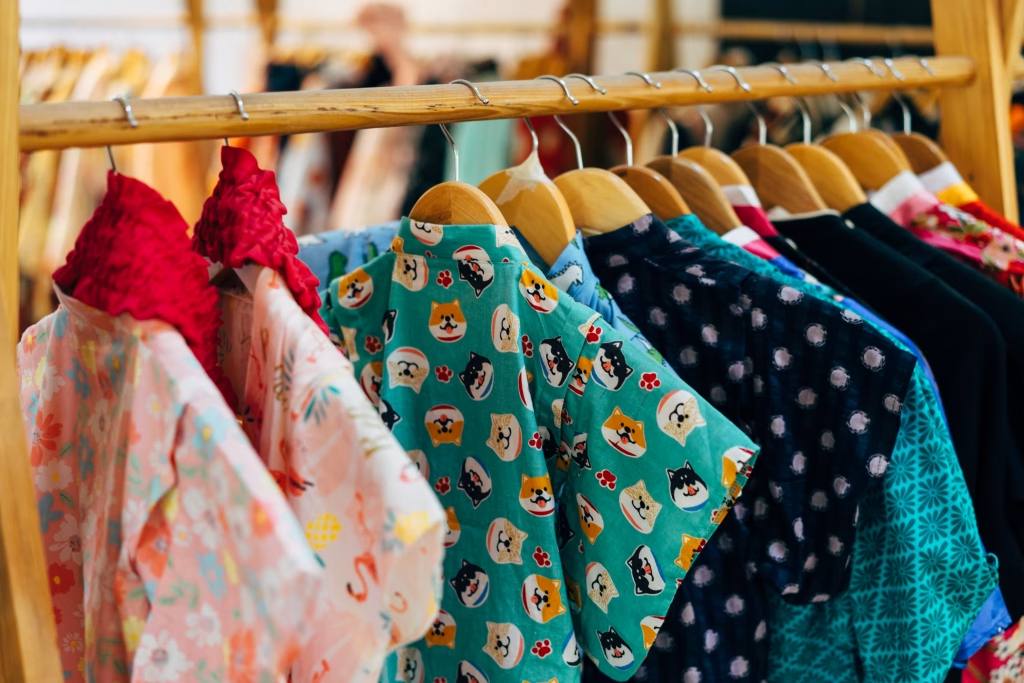
Vintage clothing has a loyal audience, especially when you know how to find pieces people actually want.
You can look for clothes at estate sales, auctions, thrift stores, and local shops, then sell them through eBay, Etsy, or your own Shopify store.
Good photos and honest descriptions matter. If something has a small flaw, tell the buyer instead of hiding it. You can also use Instagram and Pinterest to show your finds and bring people to your store.
2. Print-on-Demand T-Shirts
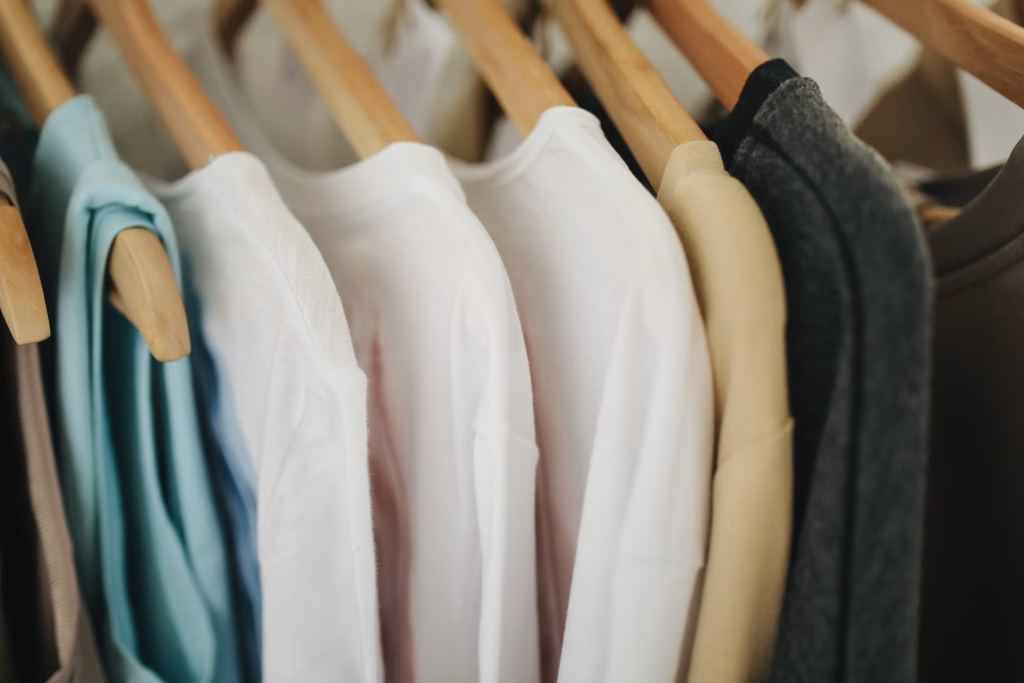
Print-on-demand is one of the easiest ways to test a clothing business without buying inventory first.
You create the design, while a company such as Printify or Gelato prints and ships the shirt when someone orders. You can sell through Shopify or Etsy.
For designs, Canva or Adobe Express are simple options. You can also use Fiverr to hire a designer and Placeit to create product mockups.
Start with a few designs instead of making 50 at once.
3. Baby and Kids Clothing
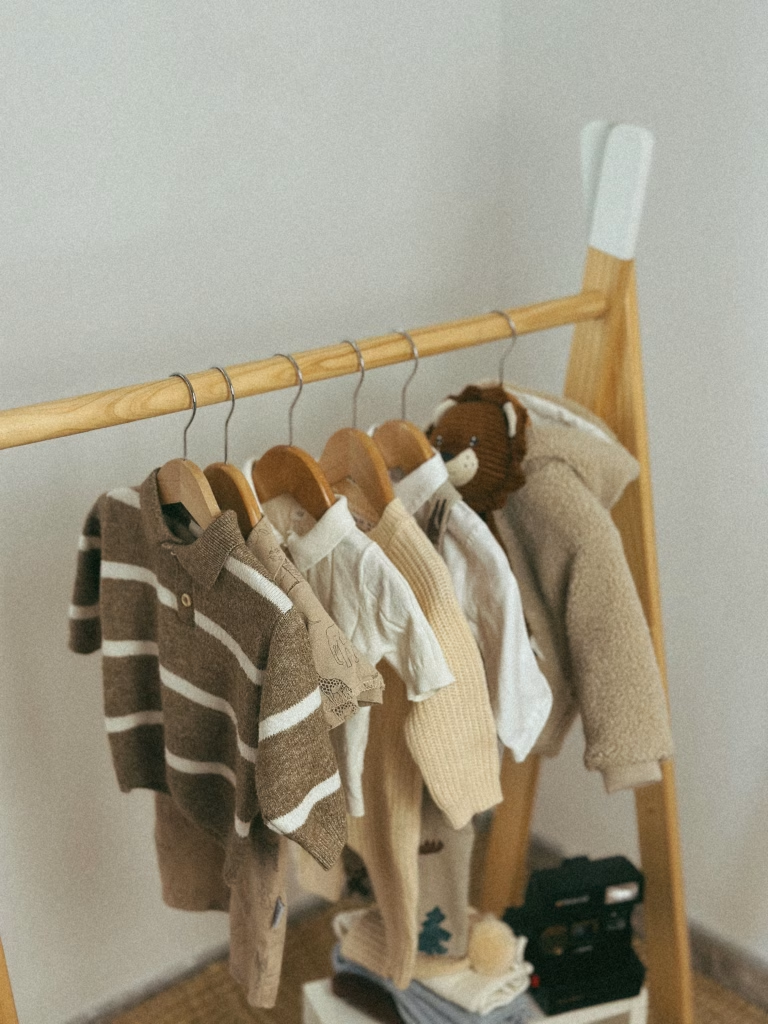
Baby and kids’ clothing can be a good niche if you enjoy creating cute and practical products.
You can make your own clothes or buy from wholesalers and resell them through Etsy or Instagram Shops.
Focus on comfortable materials, clear sizing, and safe products. Real customer photos can also help new buyers feel more confident.
4. Upcycled Clothing
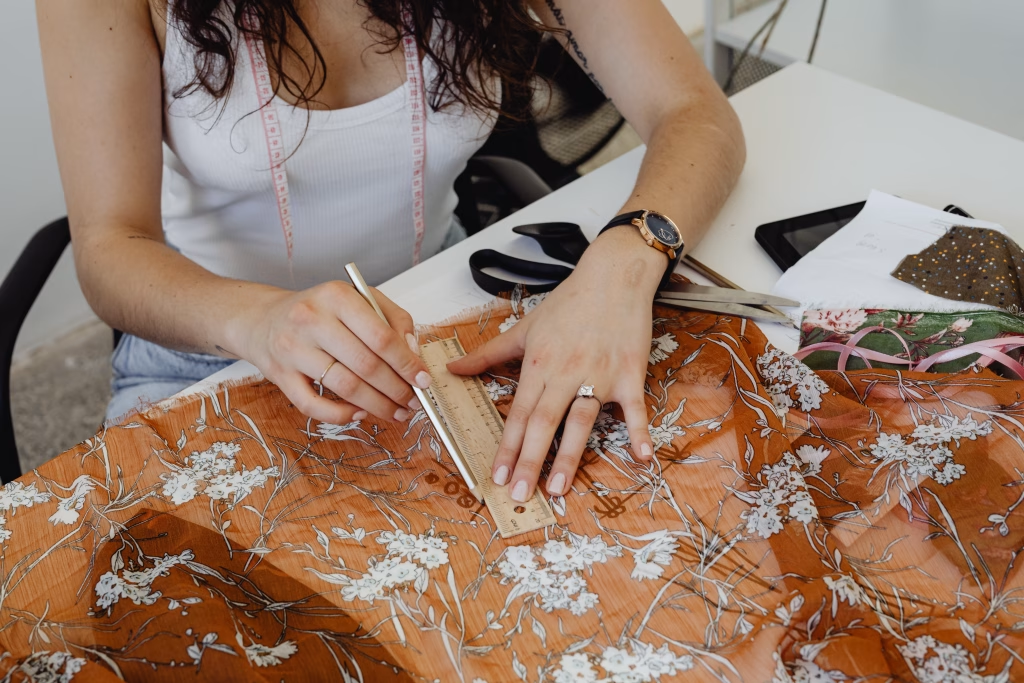
Upcycling means taking old clothing and turning it into something new.
You could make patchwork jeans, redesigned shirts, bags, or other pieces from old clothes and fabric scraps.
You can learn basic techniques through YouTube and Pinterest, then show the process on TikTok or Instagram. People love seeing a before-and-after transformation, so the content can help sell the product too.
5. Custom Hoodies and Sweatshirts

Hoodies and sweatshirts are easy products to build a small brand around. You can create designs for clubs, teams, schools, businesses, families, or your own brand.
You can use print-on-demand or work with a local print shop. Canva works well for designs, while Shopify or WooCommerce can handle your online store.
You can also offer bundles for teams or groups, which can lead to bigger orders.
6. Niche Fashion
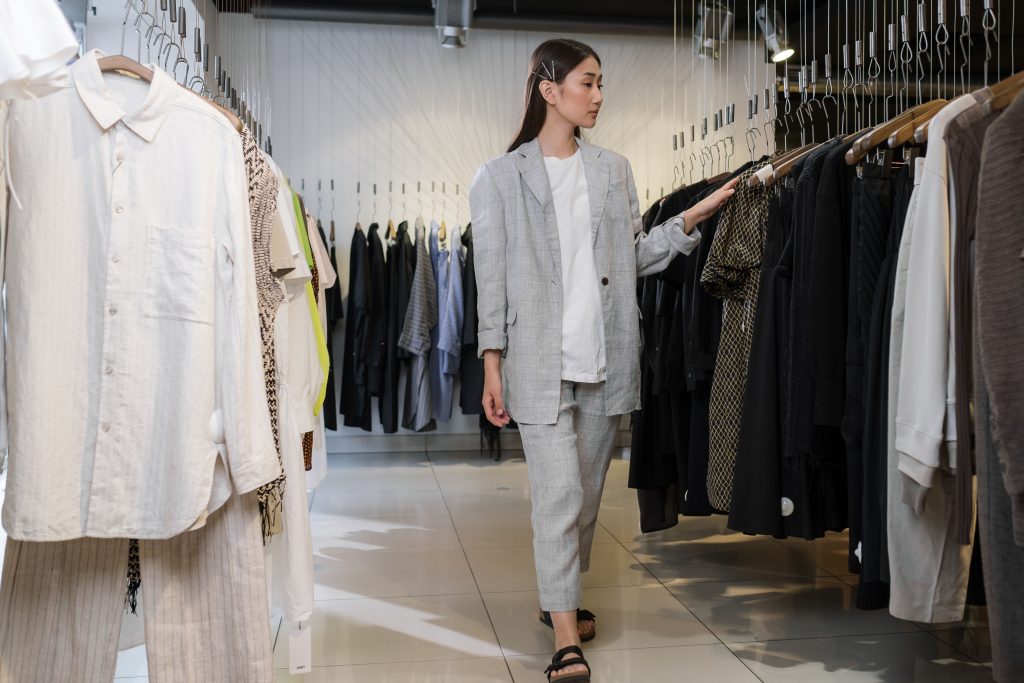
Instead of trying to sell clothing to everyone, focus on a specific group.
You could create clothing for plus-size customers, adaptive fashion, modest fashion, or another audience that isn’t being served well.
Start by talking to people in that market. Ask what they struggle to find and what they would actually buy. A clear niche can make it much easier to know who you’re selling to.
For your store, Shopify can work well, while Canva can help you create lookbooks and other marketing material.
7. Clothing Accessories
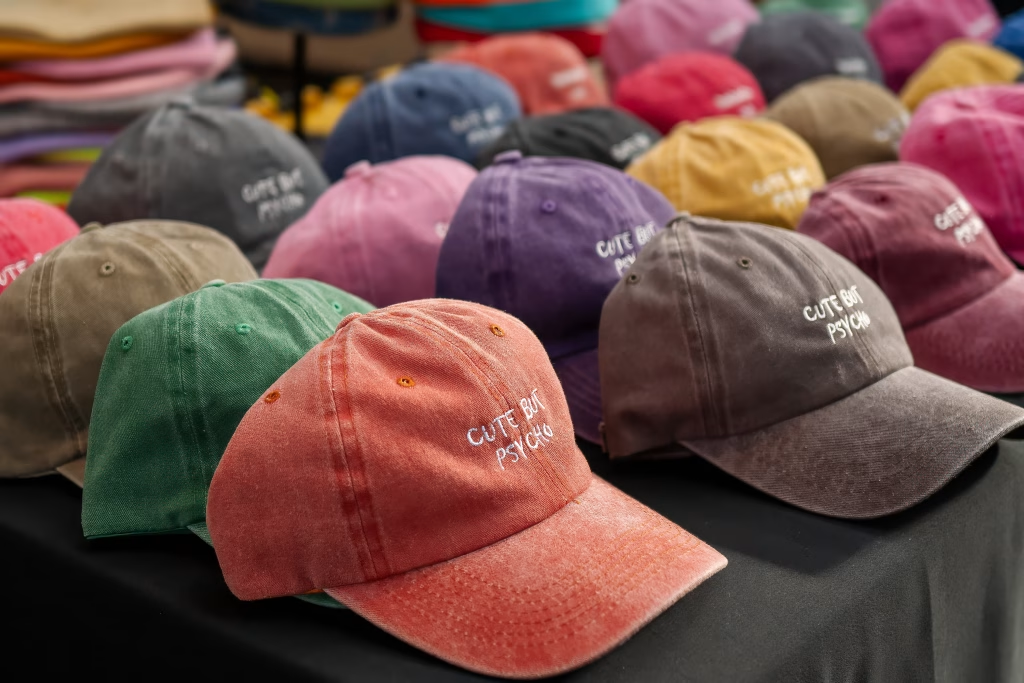
You don’t have to start with full outfits. Smaller products can be easier to make, store, and ship.
Think about hats, socks, tote bags, bags, or even phone cases. You can use print-on-demand or source products through Alibaba or AliExpress.
Try bundles and seasonal designs. Sometimes a small accessory can become your best-selling product.
8. Sport and Loungewear
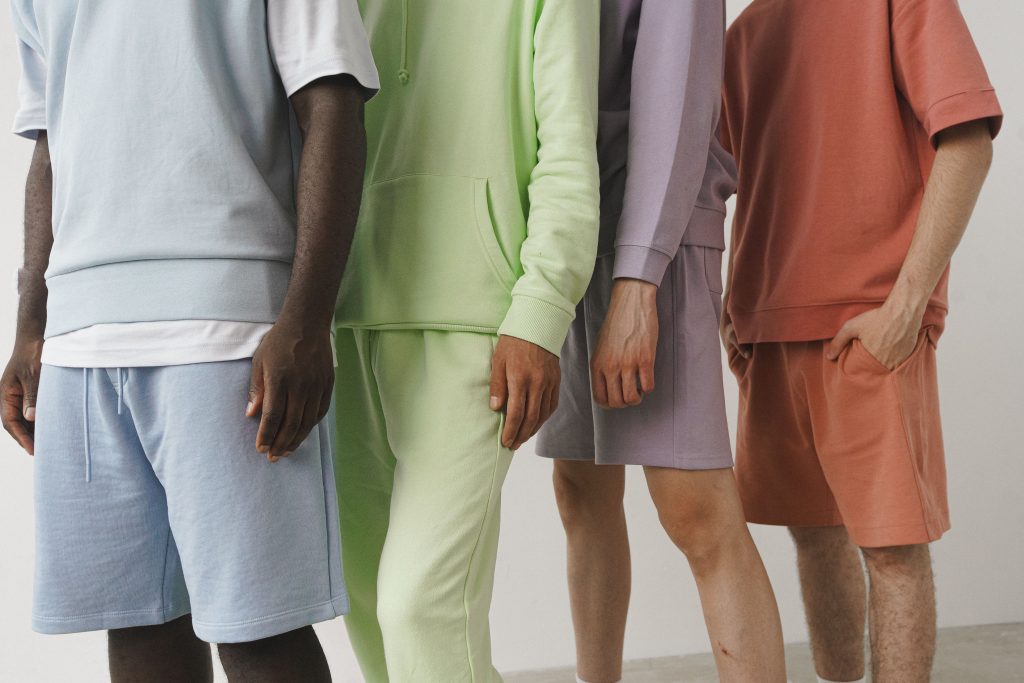
People want clothing that feels comfortable but still looks good, whether they’re working out, working from home, or running errands.
You could sell leggings, hoodies, tank tops, shorts, and other comfortable basics.
Before making lots of products, do some research. Use Google Trends, social media, ChatGPT, or Google Forms to find out what people actually want. Printify can handle fulfillment, while Placeit can help with mockups.
9. Thrift Flipping and Reselling
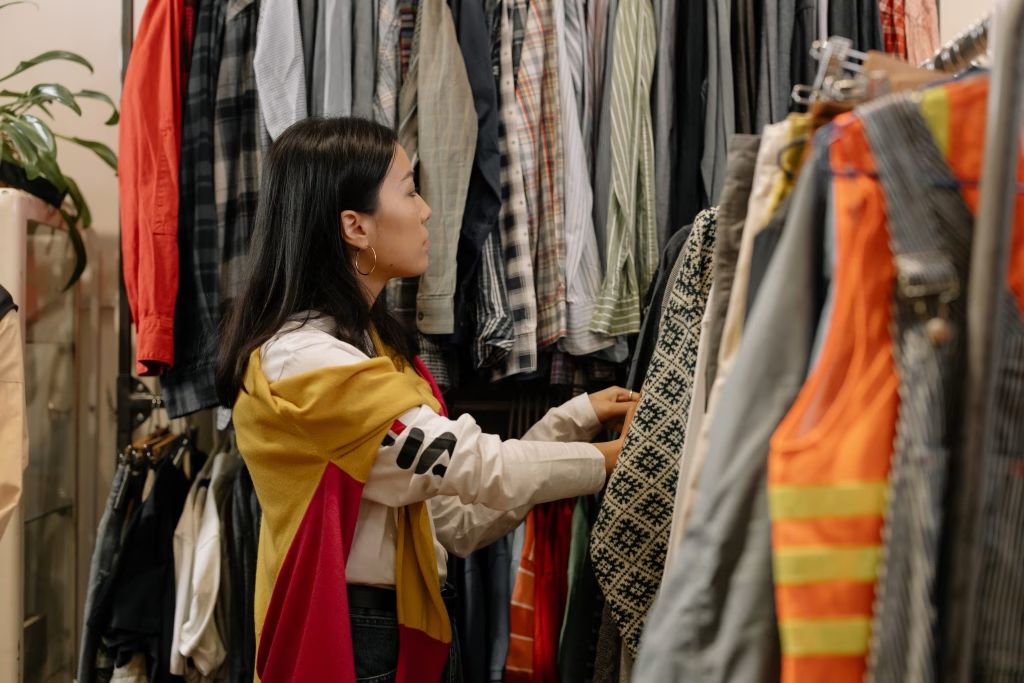
Thrift flipping is simple: find clothing at a low price, improve it if needed, and sell it for more.
You can look through thrift stores, yard sales, online listings, or even your own closet. Depop and Poshmark are popular places to sell your finds.
You don’t need to be an expert tailor. Sometimes the real skill is spotting a good brand, vintage piece, or style that other people overlooked.
Keep track of your spending and sales with Google Sheets, and always check that branded items are genuine and in good condition.
10. Custom Clothing Brand
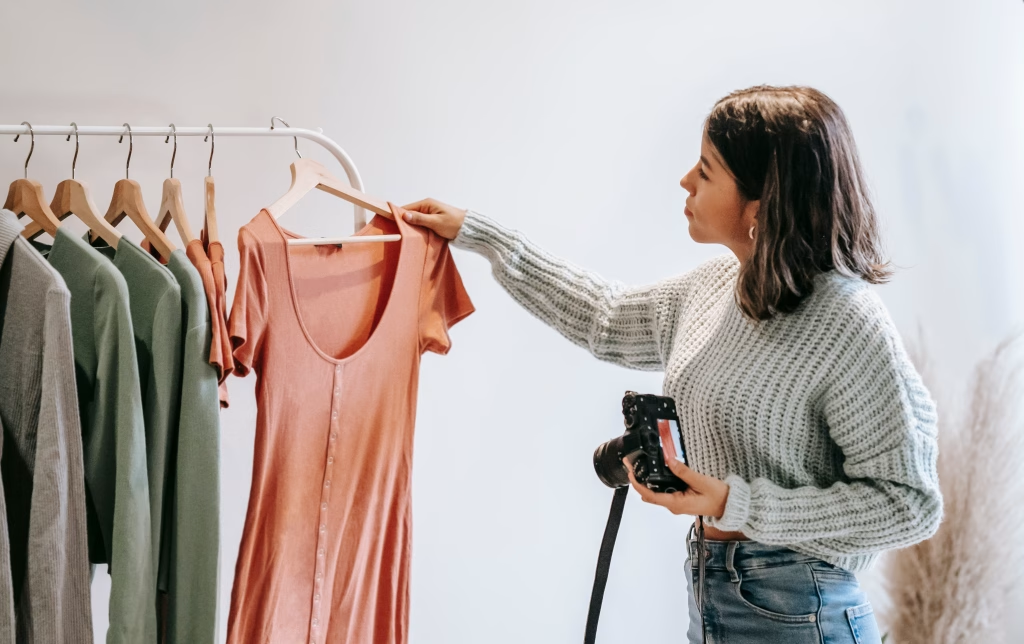
If you want something more personal, you can build your own clothing brand around a specific style or audience.
You could start with T-shirts, hoodies, sweatshirts, or other simple pieces, then add more products as the brand grows.
You don’t need a huge collection at first. A small group of products with a clear style can be much easier to market than a store full of random designs.
Which Clothing Business Should You Start?
If you want to keep your costs low, print-on-demand or thrift reselling are good places to start.
If you enjoy designing, look at custom clothing, hoodies, or niche fashion. If you like finding unique pieces, vintage clothing and thrift flipping may suit you better.
And if you’re creative and want something different, upcycled clothing can give you a product with a story behind it.
Final Thoughts
There are plenty of ways to start a clothing business in 2026. You can sell T-shirts, vintage pieces, kids’ clothes, accessories, sportswear, or build a brand around your own designs.
Don’t wait until everything is perfect. Start with what you have, test your idea, and improve it as you go.

