

When I first started using AI tools, I honestly thought ChatGPT was basically “the AI tool”, like there wasn’t much else worth trying, but once I started working with different types of content, I realized something important, different AI tools are actually built for different jobs, and if you only use one for everything, you’re probably not getting the best results.
So instead of asking “what replaces ChatGPT”, the better question is “what works better for this specific task”, because some tools are clearly better for writing, others for research, and others for productivity work.
That’s what this guide is about, real alternatives, what they actually do well, and the questions people usually have before choosing them.
ChatGPT Alternatives Comparison
| Tool | Best For | Key Features | Strength | Weakness |
|---|---|---|---|---|
| Claude | Writing & long content | Long-form writing, better flow, context handling, rewriting | Best for natural writing | Less real-time info |
| Gemini | Research & search | Real-time info, Google integration, summaries, broad knowledge | Strong for up-to-date answers | Can feel general |
| Perplexity AI | Research with sources | Citations, live search, fact-checking, comparisons | Most accurate research tool | Less creative writing |
| Microsoft Copilot | Productivity | Word/Excel integration, document writing, summaries, workflow help | Best for office work | Needs Microsoft ecosystem |
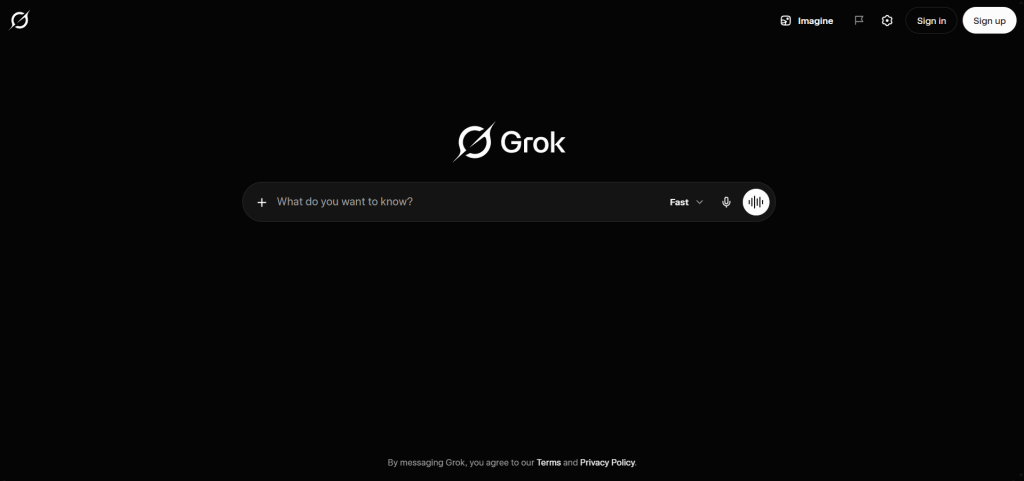
| Grok | Fast answers & trends | Real-time posts, short answers, trending topics, casual tone | Very fast + direct | Less depth in explanations |
| Tool | Best Use |
|---|---|
| Claude | Writing & blog content |
| Gemini | Research & Google-style answers |
| Perplexity AI | Verified answers with sources |
| Copilot | Work & productivity tasks |
| Grok | Fast trending answers |
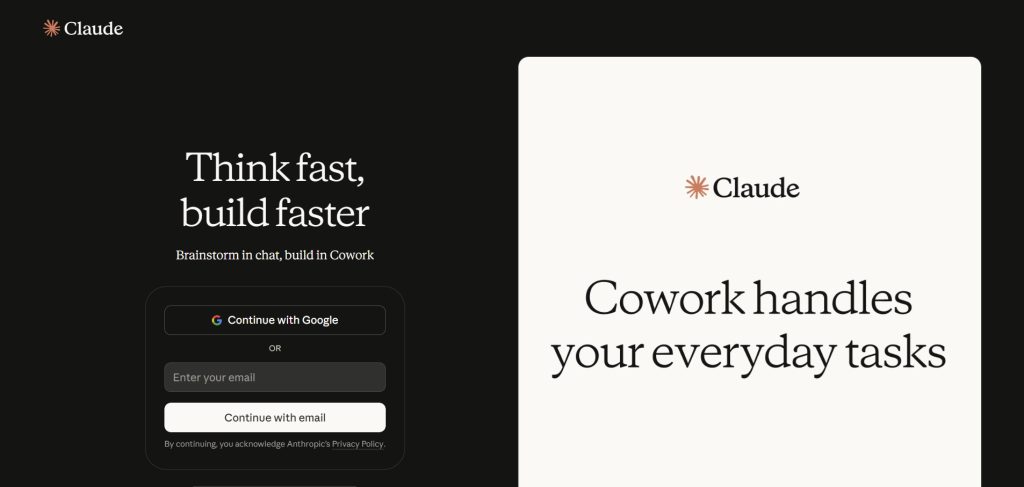
1. Claude – best for writing, thinking, and long content
Anthropic Claude is the one I go to when I want something that feels more natural for writing and explaining ideas properly, because it doesn’t just give short answers, it actually builds thoughts in a more structured way.
Key features:
- very strong for long-form writing like blog posts and articles
- better at keeping context in long conversations
- produces more natural, human-like explanations
- good at rewriting, improving, and organizing text
- handles complex ideas in a clearer way
What people usually ask:
Is Claude better than ChatGPT for writing?
In many cases yes, especially for long blog content or structured writing, because it tends to feel less “robotic” and more smooth in flow.
Can I use it for free?
Yes, there is usually a free version, but advanced features may require a paid plan.
2. Google Gemini – best for research and real-time info
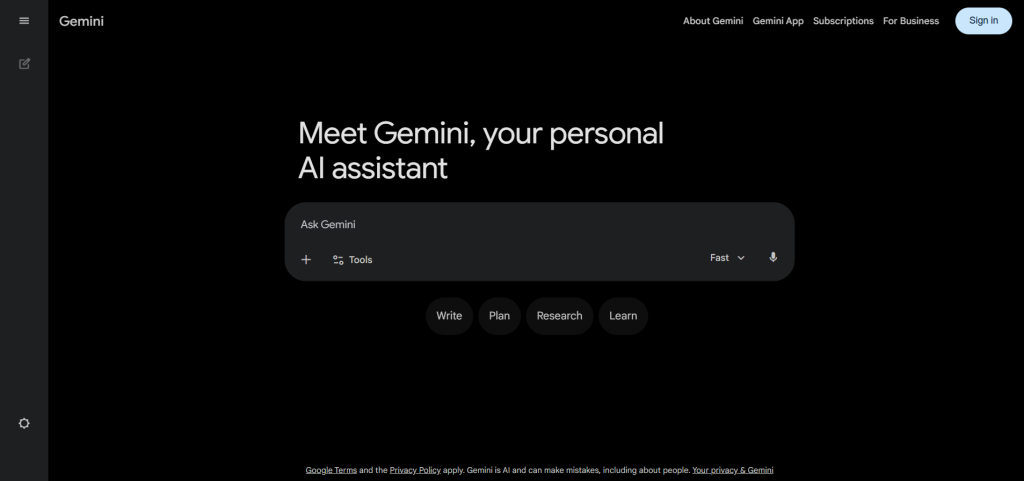
Google Gemini is more connected to search and real-time information, so it feels less like just chatting and more like researching with AI support.
Key features:
- strong at answering current and trending questions
- works closely with Google services and search
- good for learning new topics quickly
- can summarize large amounts of information
- useful for general knowledge + research tasks
What people usually ask:
Is Gemini better than ChatGPT for research?
It can be, especially when you need up-to-date information or want something closer to search results.
Does it replace Google search?
Not fully, but it reduces the need to open multiple pages because it summarizes things for you.
3. Perplexity AI – best for research with sources and accuracy
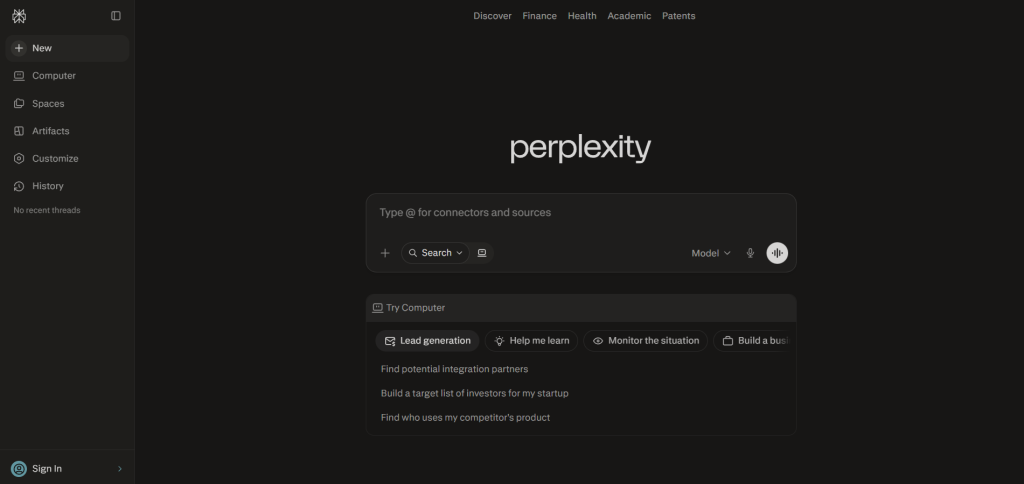
Perplexity AI is the tool I use when I don’t just want answers, I want to know where those answers come from, because it always includes sources, which makes it much more reliable for research.
Key features:
- gives answers with real sources and links
- works like AI + search engine combined
- good for fact-checking and comparisons
- helps you explore topics step by step
- reduces misinformation risk
What people usually ask:
Is Perplexity better than ChatGPT for accuracy?
Yes, especially because it shows sources so you can verify information instead of just trusting the response.
Is it good for students or research work?
Definitely, it’s one of the best tools for learning and academic-style research.
4. Microsoft Copilot – best for productivity and work tasks
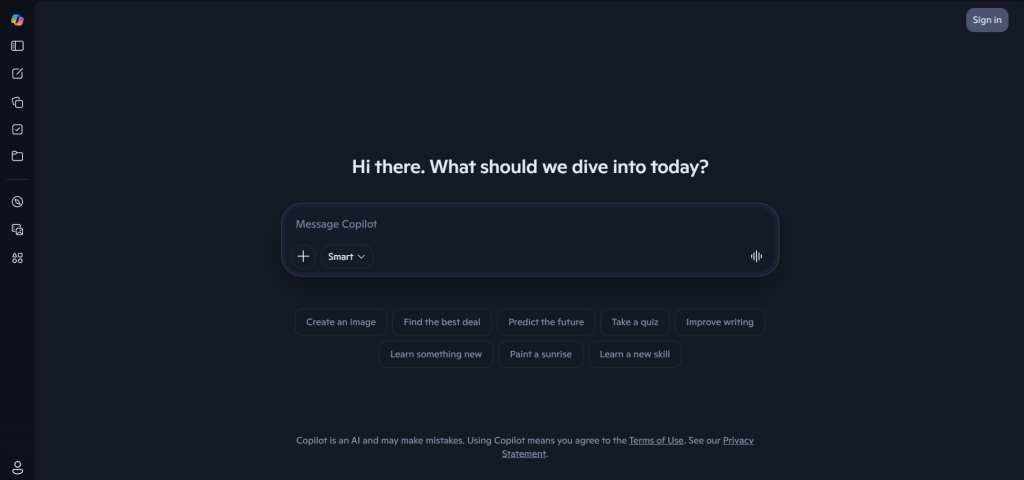
Microsoft Copilot is different because it’s not just a chatbot, it’s built into real work tools, which changes how you actually use it in daily tasks.
Key features:
- works inside Word, Excel, and Microsoft apps
- helps write and edit documents quickly
- can summarize emails and reports
- useful for business and office workflows
- saves time on repetitive tasks
What people usually ask:
Do I need Microsoft apps to use Copilot?
For full benefits yes, because its main strength is inside Microsoft tools.
Is it good for everyday users?
Yes, especially if you already use Word or Excel for work or school.
5. Grok – best for fast answers and trending topics
xAI Grok feels more direct and less formal compared to other AI tools, and it’s also more focused on real-time and trending information, which makes it feel different in everyday use.
Key features:
- fast, direct responses without long explanations
- strong focus on trending topics and news
- more casual, less “formal AI tone”
- good for quick summaries and opinions
- designed for real-time awareness
What people usually ask:
Is Grok better than ChatGPT?
It depends, Grok is faster and more direct, but ChatGPT is usually more balanced for deeper explanations.
What is Grok best used for?
Quick answers, trending topics, and fast information instead of deep structured writing.
FAQ
What is the best ChatGPT alternative in 2026?
It depends on what you need, Claude for writing, Perplexity for research, and Copilot for productivity are the most common choices.
Which AI is best for content writing?
Anthropic Claude is often preferred because it produces more natural and structured writing.
Which AI is best for accurate information?
Perplexity AI is one of the best because it provides sources with every answer.
Can I use more than one AI tool?
Yes, most people actually combine tools depending on the task instead of relying on just one.
So which ChatGPT alternative should you actually use?
If I simplify it based on real use:
- Writing and content creation → Claude
- Research and search-style answers → Gemini
- Verified information with sources → Perplexity AI
- Work and productivity tools → Microsoft Copilot
- Fast trending answers → Grok
And honestly, the biggest thing I realized is this, no single AI tool does everything best anymore, the real advantage comes from using the right tool for the right task instead of relying on just one.

